Starlink Kenya: The Complete 2026 Guide to Plans, Prices, Installation & Where to Buy
Everything you need to know about Starlink Kenya — satellite internet plans, kit prices, installation, coverage, and authorized resellers — updated June 2026

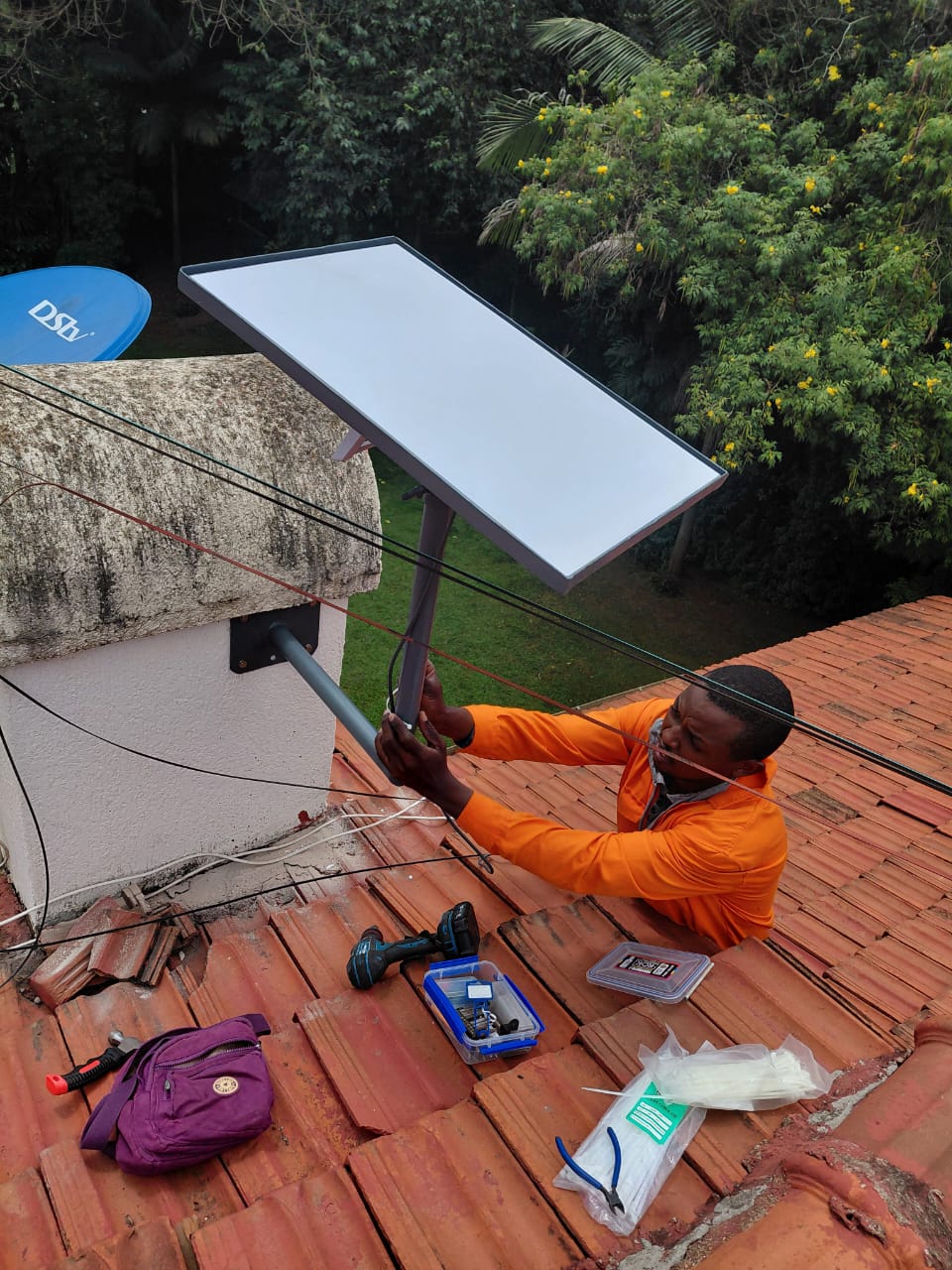
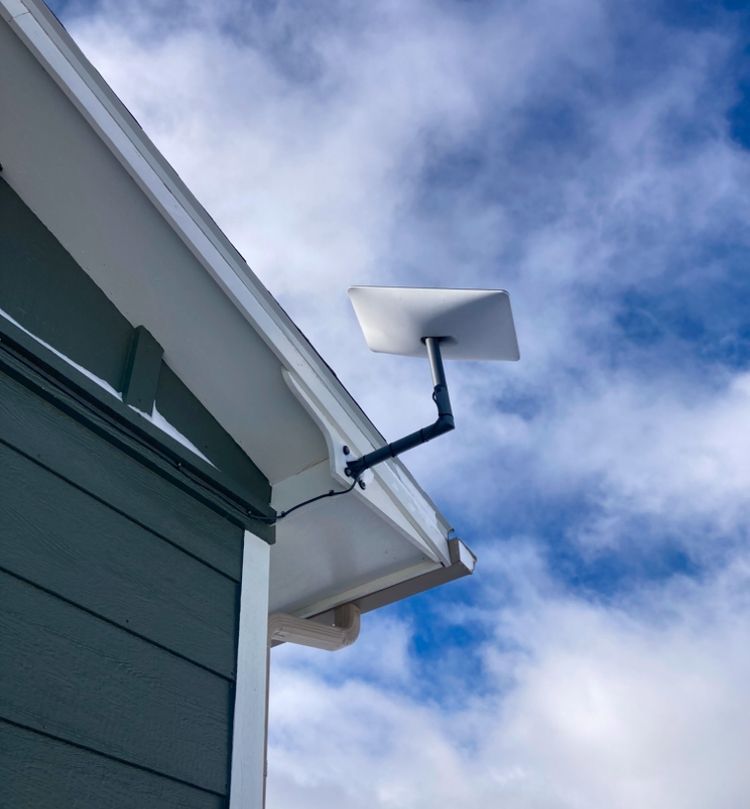
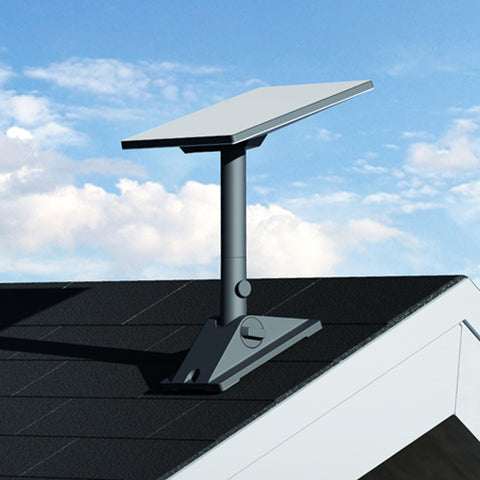
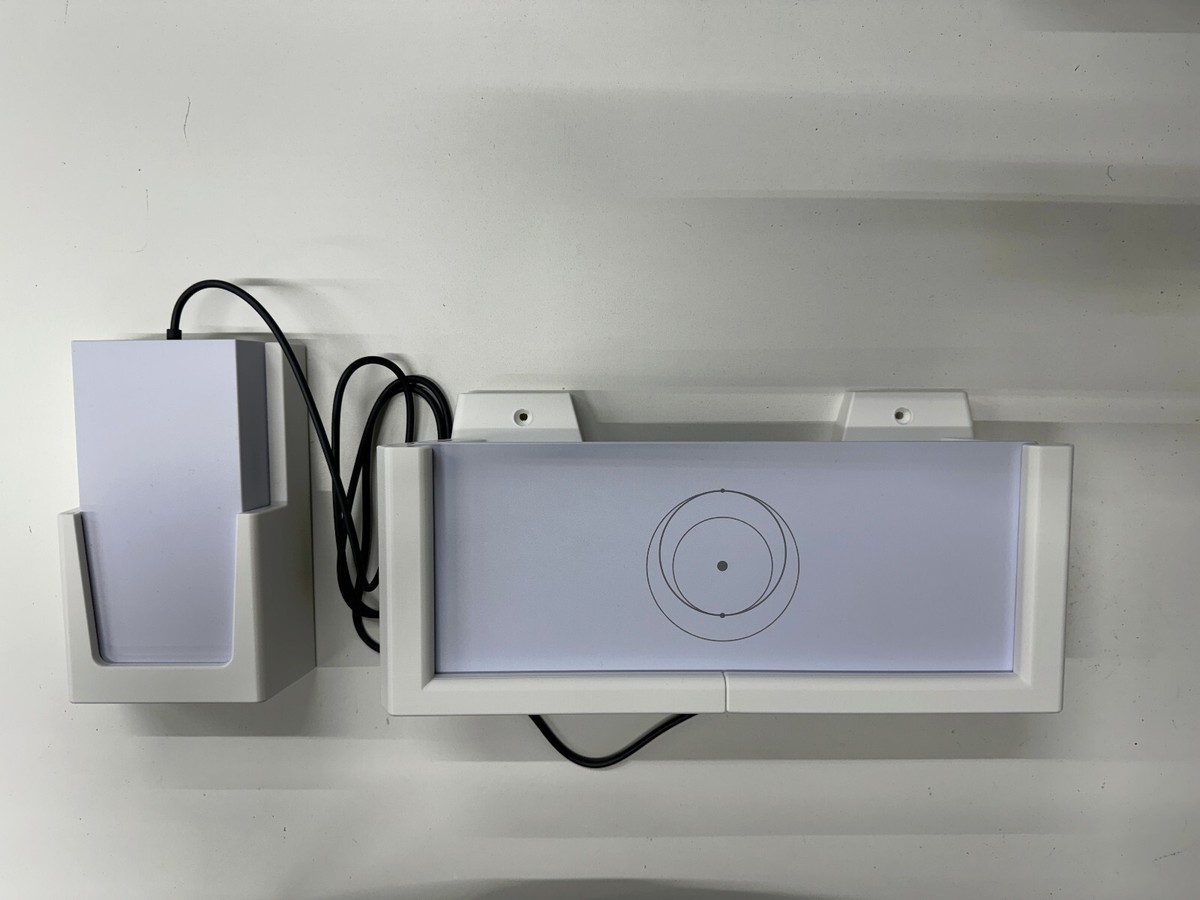
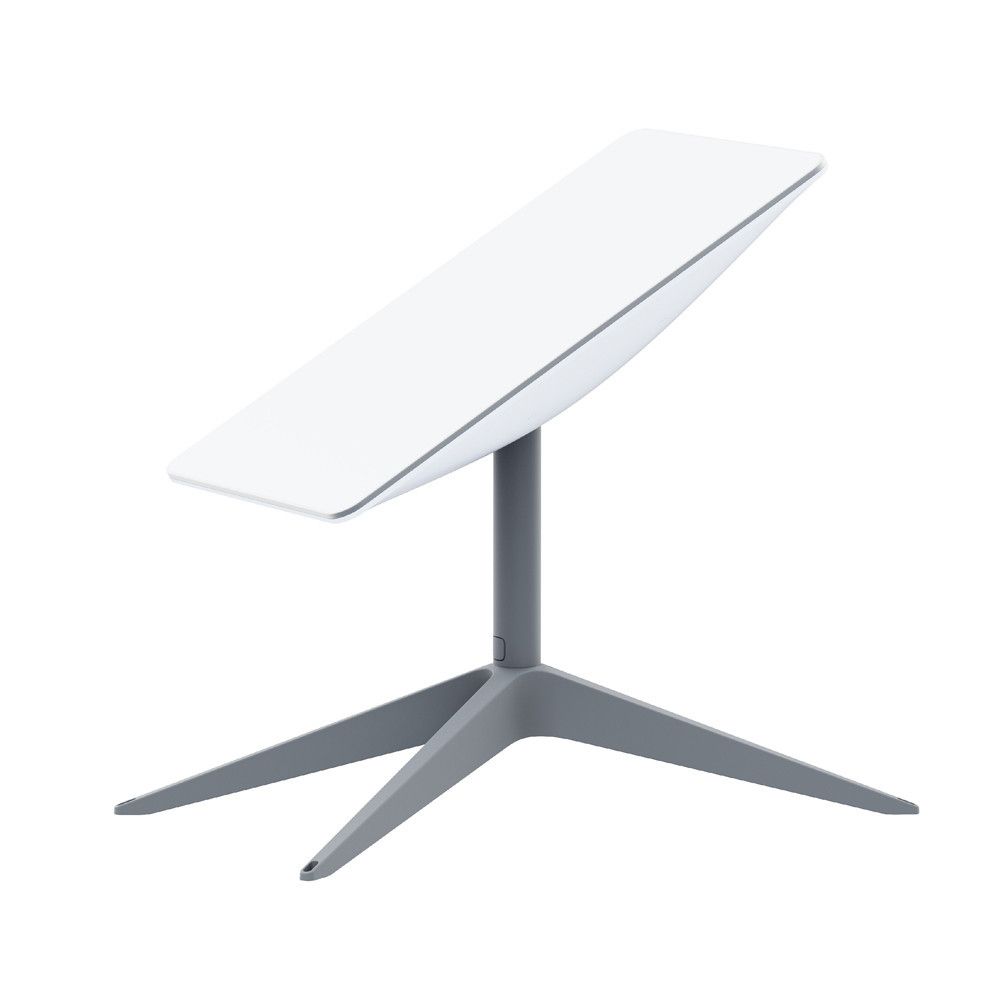
A Starlink dish installed on a Kenyan rooftop, with the satellite router active indoors ]
Image 1: Professional Starlink installation on a Kenyan residential rooftop. The self-aligning dish automatically finds the optimal satellite position once powered on. Source: Starlink Kenya reseller network.
Starlink Kenya is transforming internet access across East Africa's most tech-forward nation. Launched in July 2023 by Elon Musk's SpaceX, Starlink uses a constellation of low-earth orbit (LEO) satellites to deliver high-speed, low-latency broadband internet to any location in Kenya with a clear view of the sky — from Nairobi's Westlands to the most remote corners of Turkana, Marsabit, and Wajir counties.
In less than three years, Starlink Kenya has grown to become Kenya's eighth-largest internet service provider, with more than 22,000 subscribers as of December 2025 — a growth trajectory of nearly 2,000% that no traditional ISP in Kenya has come close to matching. With monthly plans starting at just KES 1,300 and hardware available from KES 27,000, Starlink is no longer a premium option reserved for the few: it is a mainstream connectivity solution for Kenyan homes, businesses, schools, farms, lodges, and institutions.
This comprehensive guide covers everything you need to know about Starlink Kenya in 2026: what it is, how it works, what it costs, which plans are right for you, where to buy your kit, how installation works, and how it compares to the competition. Whether you are a first-time buyer or looking to upgrade your connectivity, this is the only Starlink Kenya guide you need.
📡 Key Stat: Starlink Kenya achieved 1,955.3% subscriber growth in the 2023/24 financial year, making it the country's eighth-largest internet provider with over 22,000 active subscribers as of December 2025.
What Is Starlink Kenya?
Starlink is SpaceX's low-earth orbit (LEO) satellite internet service, designed to deliver high-speed broadband to any location on Earth — including places where fibre cables, 4G towers, and traditional VSAT infrastructure have never reached. Unlike legacy geostationary satellites that orbit at 35,786 km above Earth (resulting in 600+ ms latency), Starlink's satellites orbit at approximately 340 to 570 km, reducing latency to 20–40 ms — comparable to a 4G mobile connection and fast enough for video calls, online gaming, and cloud-based work applications.
Starlink officially launched commercial service in Kenya in July 2023, becoming one of the first African countries to receive the service. The Communications Authority of Kenya (CAK) has granted Starlink the regulatory approvals it needs to operate, including an International Gateway Systems and Services (IGSS) licence, Landing Rights Authorisation (LRA), and an Application Service Provider (ASP) Licence. This full regulatory standing means Starlink Kenya operates as a fully licensed, legal internet service provider — not a grey-market workaround.
Since launch, Starlink has expanded coverage across all 47 Kenyan counties. As of 2026, the service is available anywhere in Kenya with a clear, unobstructed view of the southern sky. The Starlink app and official website allow users to check availability for their exact address and order directly, or to engage one of the authorized local resellers listed in this guide for hardware supply, professional installation, and ongoing support.
How Starlink Kenya Works
Understanding how Starlink works helps you make better decisions about equipment, placement, and what to expect from the service:
• SpaceX operates a constellation of thousands of LEO satellites orbiting 340–570 km above Earth, creating a high-density mesh of coverage over Kenya and the broader region.
• Your Starlink dish (known affectionately as 'Dishy') receives signals from multiple satellites simultaneously, automatically tracking and switching between them to maintain a consistent connection.
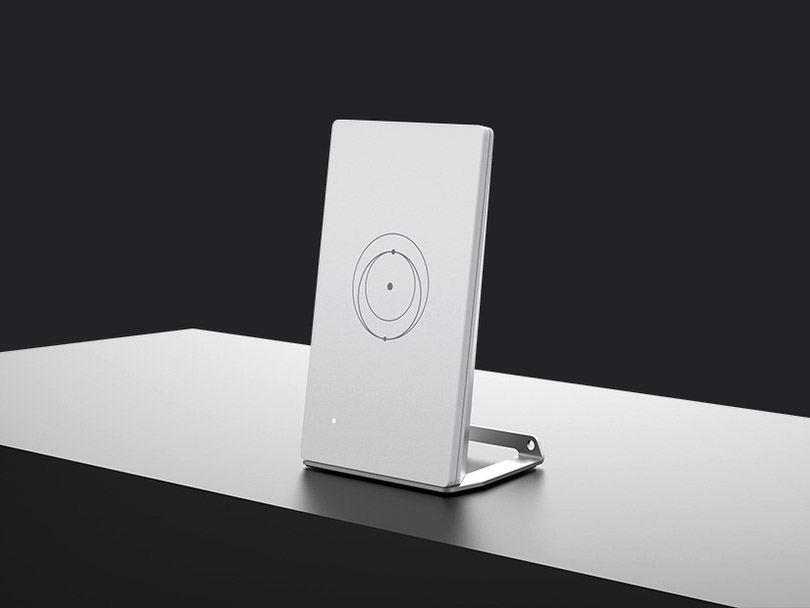
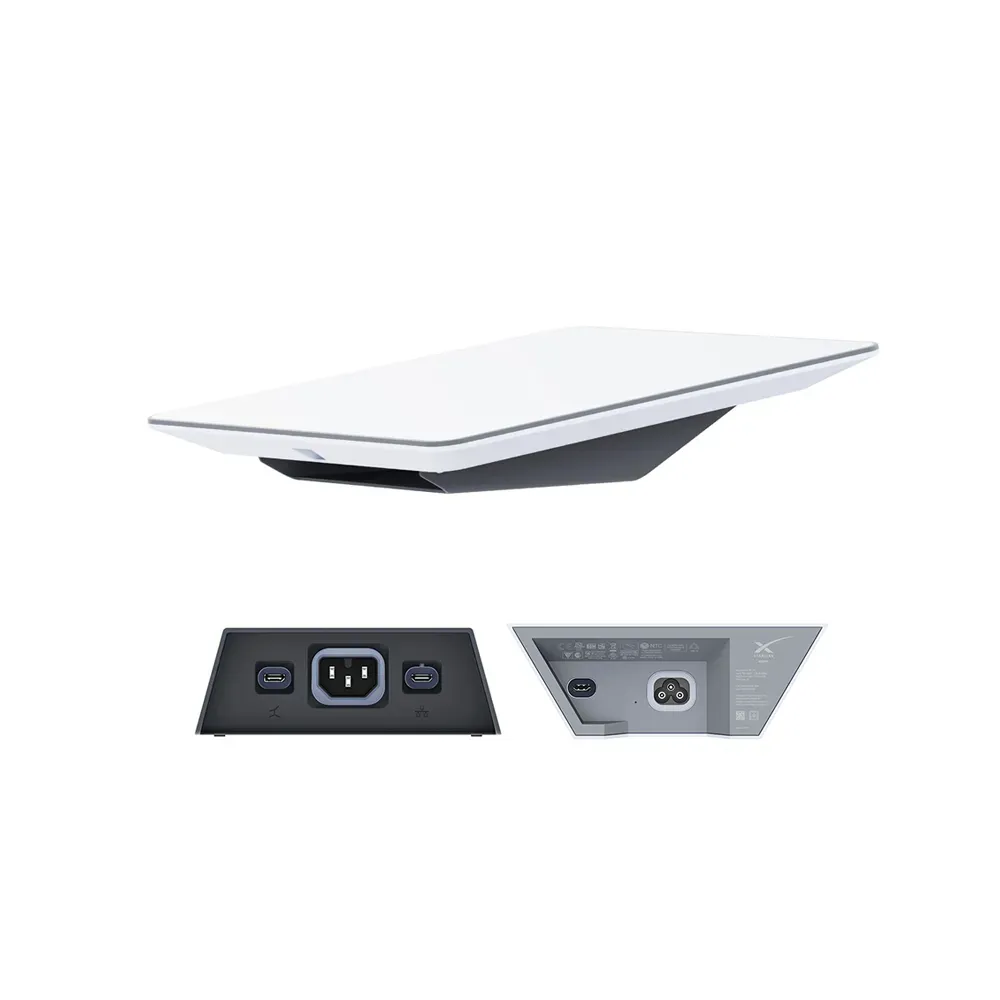
• The dish connects via a proprietary cable to the Starlink Wi-Fi 6 router, which distributes the internet connection to all your devices.
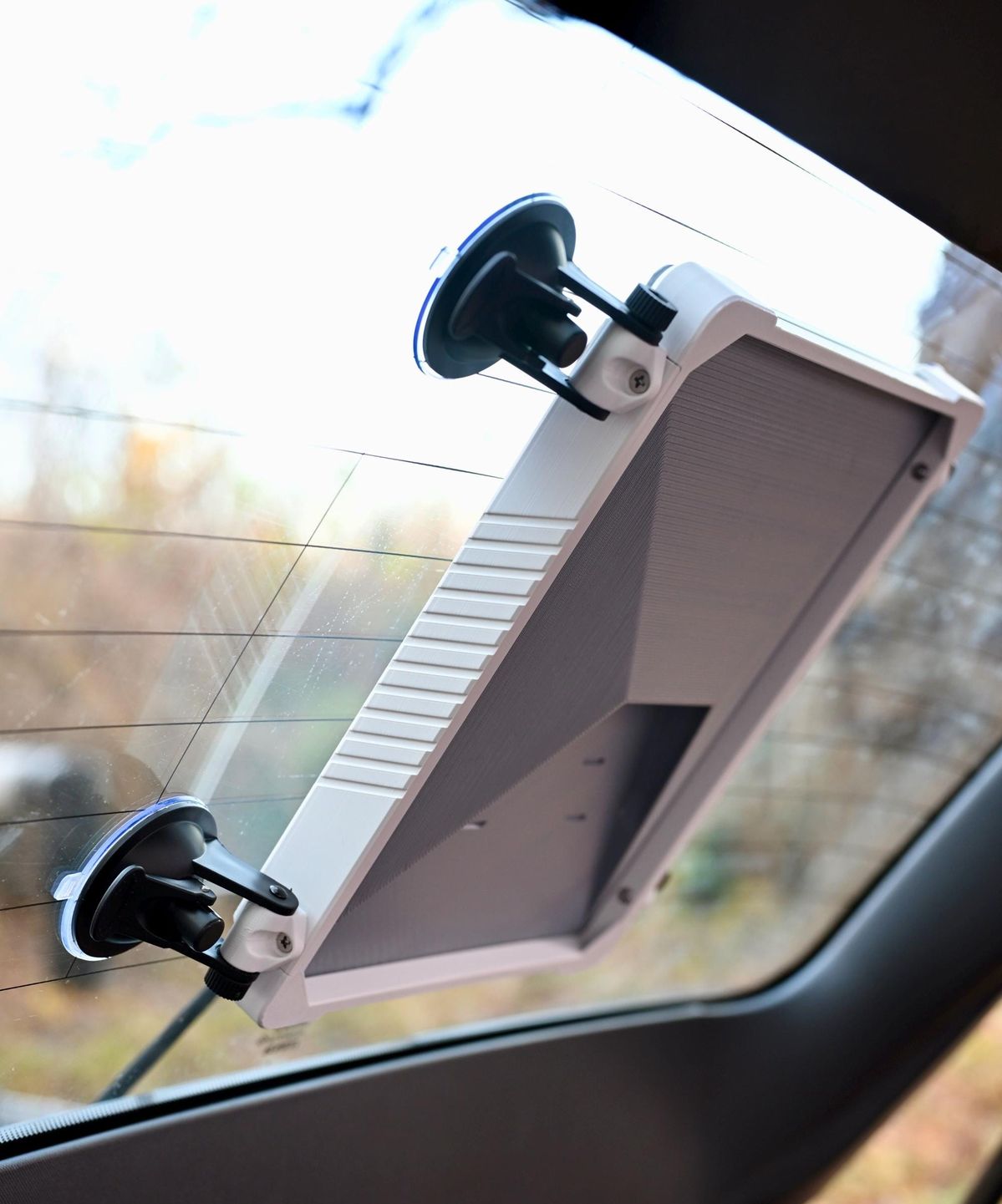
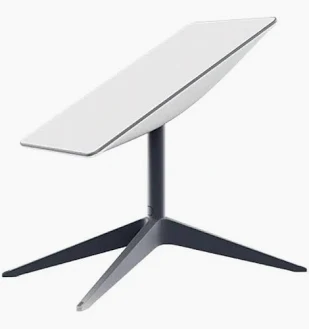
• Setup is fully automated — the dish self-aligns once powered on, finding the optimal pointing direction without manual adjustment.
• The Starlink app (iOS and Android) guides installation, monitors connection quality, runs speed tests, and manages your account and billing.
The entire setup process, from unboxing to being online, takes under 30 minutes for most users — no engineer, no fibre trench, no waiting weeks for a network connection to be extended to your location.
Starlink Kenya Coverage: Which Counties Are Served?

Starlink Kenya coverage map showing nationwide satellite internet availability across all 47 counties
Image 2: Starlink Kenya coverage extends across all 47 counties as of 2026. Any location with a clear, unobstructed view of the sky can access Starlink internet. Rural areas previously unserved by fibre or 4G now have access to speeds of 50–220 Mbps.
As of 2026, Starlink Kenya provides coverage across all 47 counties. The service works anywhere with a clear view of the sky — making it uniquely suited to rural, semi-arid, and remote regions that terrestrial internet providers cannot cost-effectively reach. Specific areas where Starlink Kenya has proven transformative include:
• Arid and semi-arid counties: Turkana, Marsabit, Wajir, Mandera, and Garissa — where fibre penetration is minimal and mobile data is unreliable.
• Agricultural heartland counties: Nakuru, Uasin Gishu, Trans Nzoia, Elgeyo Marakwet, and Nyandarua — serving farms, flower operations, and cooperatives.
• Coastal tourism counties: Mombasa, Kilifi, Kwale, and Lamu — where beach lodges and remote resorts demand reliable guest Wi-Fi.
• Highland and forest-edge counties: Nyeri, Kirinyaga, and Murang'a — where terrain limits fibre rollout.
• Urban premium use: Nairobi, Kisumu, and Mombasa CBDs — where Starlink serves as a premium backup or primary internet for businesses requiring consistent performance.
Note: Starlink briefly paused new sign-ups in Nairobi and surrounding counties in late 2024 due to network capacity constraints. That pause was resolved in June 2025, and sign-ups are currently open across Kenya. Check real-time availability for your specific address at starlink.com.
✅ Coverage Check: Visit starlink.com/map and enter your Kenya address to confirm real-time availability and order status for your location. Most counties show immediate availability as of June 2026.
Starlink Kenya Plans and Pricing 2026
Starlink Kenya offers multiple subscription plans designed to meet the needs of different user segments — from budget-conscious households to enterprise clients demanding priority bandwidth. Here is a comprehensive breakdown of the plans currently available in Kenya:
|
Plan
|
Monthly Cost
|
Best For
|
Data
|
Speeds
|
|
Residential Lite
|
KES 1,300
|
Light users / students
|
50 GB
|
25–100 Mbps
|
|
Residential
|
KES 6,500
|
Homes & SMEs
|
Unlimited
|
50–220 Mbps
|
|
Roam (Mobile)
|
KES 4,200+
|
Travellers & nomads
|
Unlimited
|
25–100 Mbps
|
|
Business Priority
|
From KES 4,200
|
Offices & enterprises
|
Priority data
|
40–220 Mbps
|
|
Global Priority
|
~KES 39,000
|
Maritime & aviation
|
Global coverage
|
Up to 400 Mbps
|
Table 1: Starlink Kenya subscription plans and pricing (June 2026). Prices include VAT. Confirm current rates with your reseller or at starlink.com.
Residential Lite Plan — KES 1,300/month
The most affordable Starlink Kenya plan, Residential Lite offers 50 GB of data per month for KES 1,300. This plan is subject to data deprioritization — meaning your speeds may be reduced during peak network hours once you exceed your priority data allocation. It is best suited for light internet users, students, and households using the internet primarily for social media, messaging, and standard-definition video. For heavy streamers, remote workers, or businesses, the full Residential plan is recommended.
Residential Plan — KES 6,500/month
The Residential plan is Starlink Kenya's flagship consumer offering and the most popular choice for Kenyan households and small businesses. At KES 6,500 per month, it provides unlimited data at speeds of 50–220 Mbps with latency of 20–40 ms. This plan is genuinely unlimited — no data caps, no throttling after a set threshold. For most households with multiple users streaming, video calling, and working from home simultaneously, the Residential plan delivers outstanding value.
For guidance on purchasing Starlink bundles and choosing the right plan for your household or business, Starlite Internet Kenya's Starlink bundle purchasing guide provides detailed, locally relevant information on how to select and purchase Starlink packages in Kenya.
Roam Plan — From KES 4,200/month
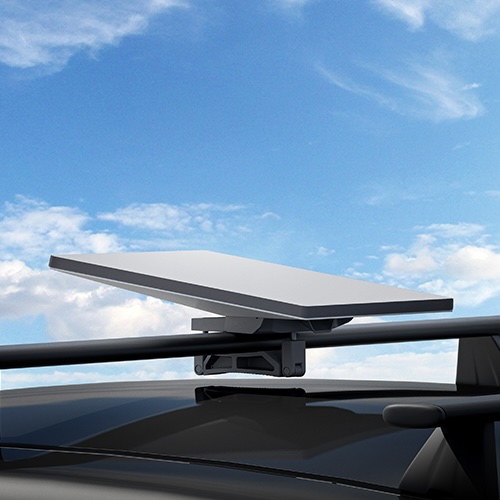
The Roam plan (formerly Starlink Portability) is designed for Kenyan users who need internet on the move — in vehicles, RVs, boats on Lake Victoria, or across multiple locations. Unlike the Residential plan, which is tied to a specific service address, the Roam plan can be used anywhere in Kenya (or globally, with the Global Roam upgrade). Speeds are lower than Residential (prioritized behind fixed-address users), but still sufficient for most use cases. The Starlink Mini kit is particularly well-suited for Roam users due to its compact, portable form factor.
Business Priority Plans — From KES 4,200/month
Starlink Kenya's Business Priority plans deliver dedicated priority bandwidth for organizations that cannot tolerate performance variability. The local Business Priority plan starts at approximately KES 4,200 per month with hardware costs around KES 49,900. For organizations needing global coverage — including maritime vessels operating off Kenya's coast and aviation platforms — the Global Priority plan provides near-worldwide connectivity at approximately KES 39,000 per month.
Spacelink Kenya's business internet page provides comprehensive information on Starlink business packages available in Kenya, including the Flat High Performance Kit suited for demanding enterprise environments.
Starlink Kenya Kits: Hardware Options and Prices
Purchasing a Starlink Kenya subscription requires a one-time investment in a hardware kit. The kit includes everything you need to get connected. There are three main kit options available in Kenya:
|
Kit
|
Price (KES)
|
Speeds
|
Best For
|
Key Feature
|
|
Starlink Mini
|
~27,000
|
25–100 Mbps
|
Portability, light use
|
Compact, backpack-friendly
|
|
Standard Gen 3 (V4)
|
~55,000
|
50–220 Mbps
|
Homes & offices
|
Auto self-aligning dish
|
|
Flat High Performance
|
~450,000–500,000
|
100–400 Mbps
|
Enterprise & harsh envs.
|
Weather-hardened, GPS
|
Table 2: Starlink Kenya hardware kits — prices, speeds, and use cases (indicative pricing, June 2026)
What Is Inside a Starlink Kenya Kit?
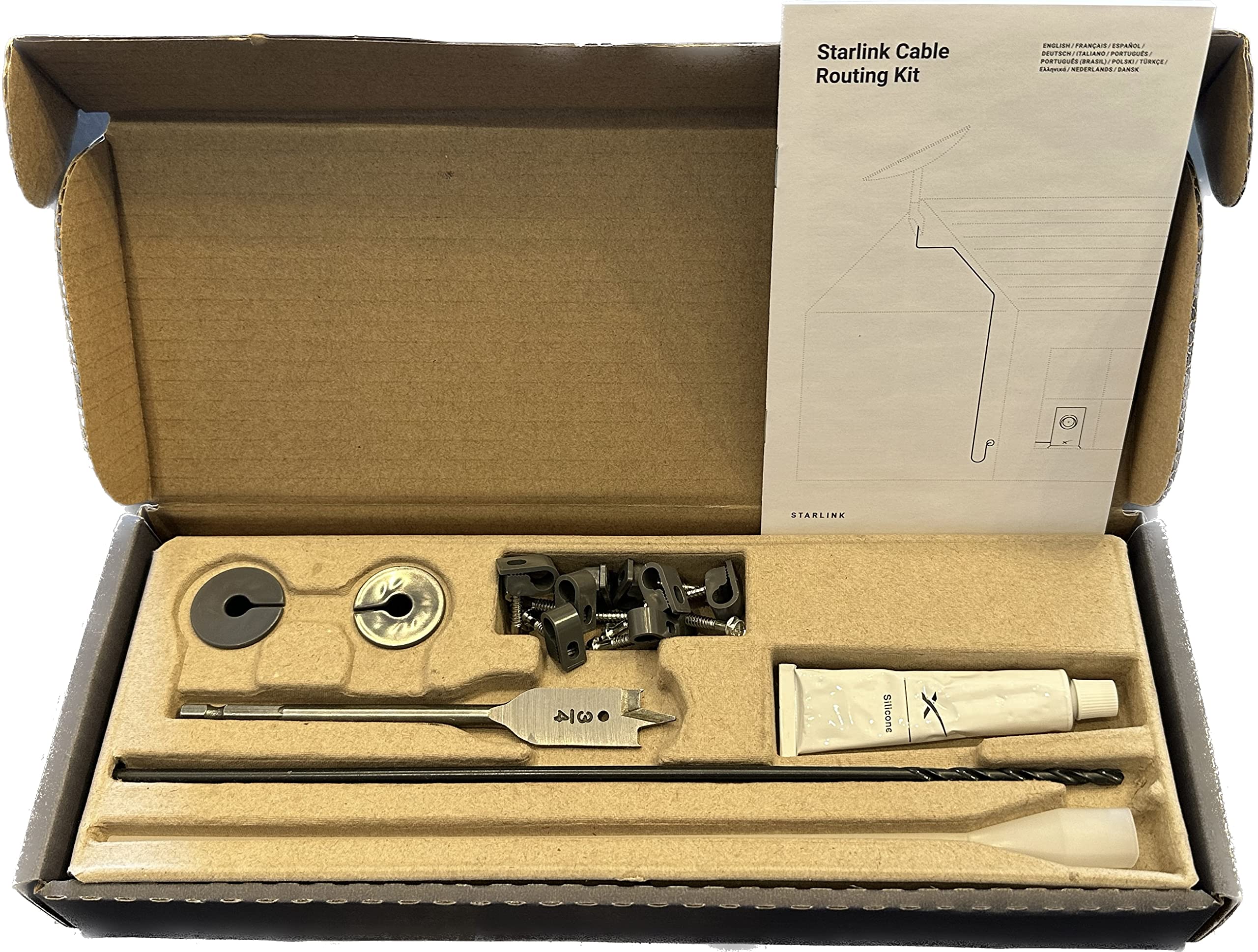
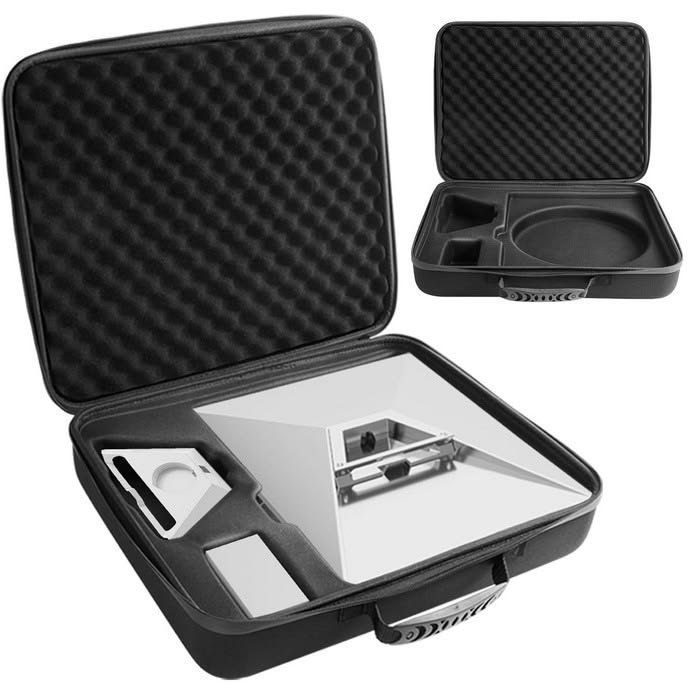
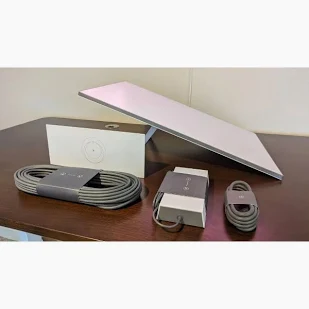
Every Starlink residential kit includes the following components:
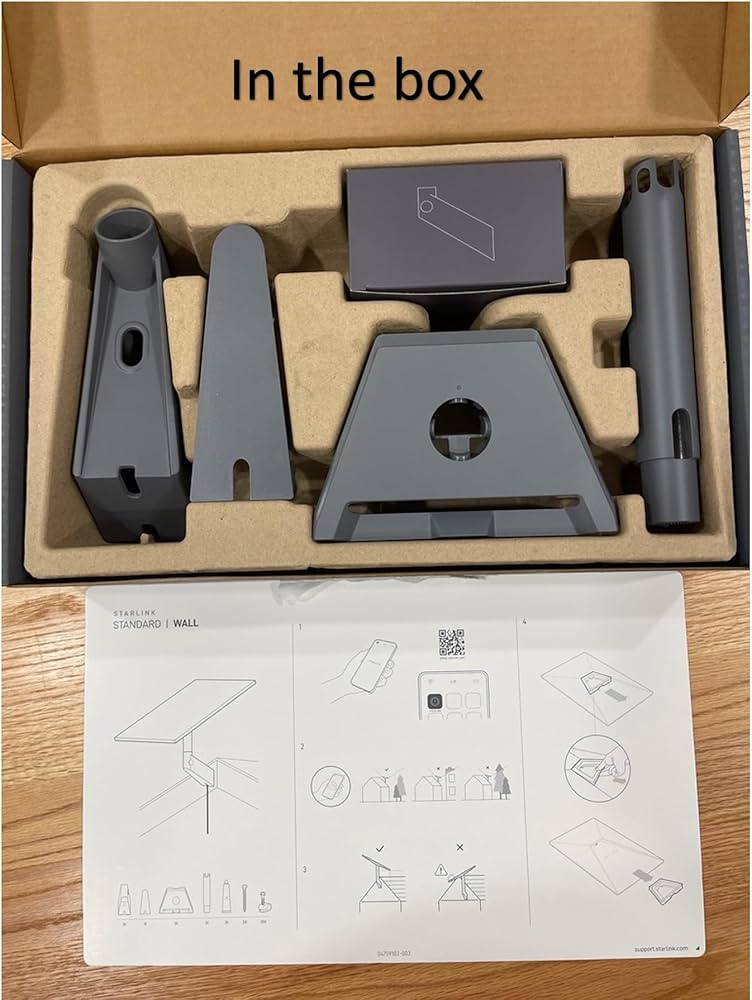
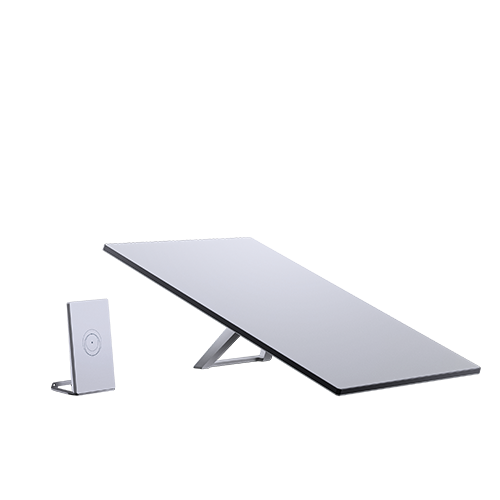
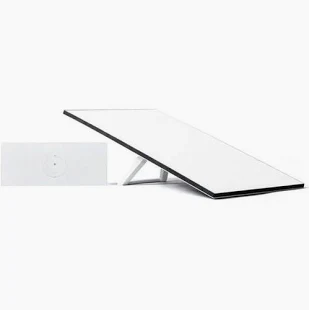
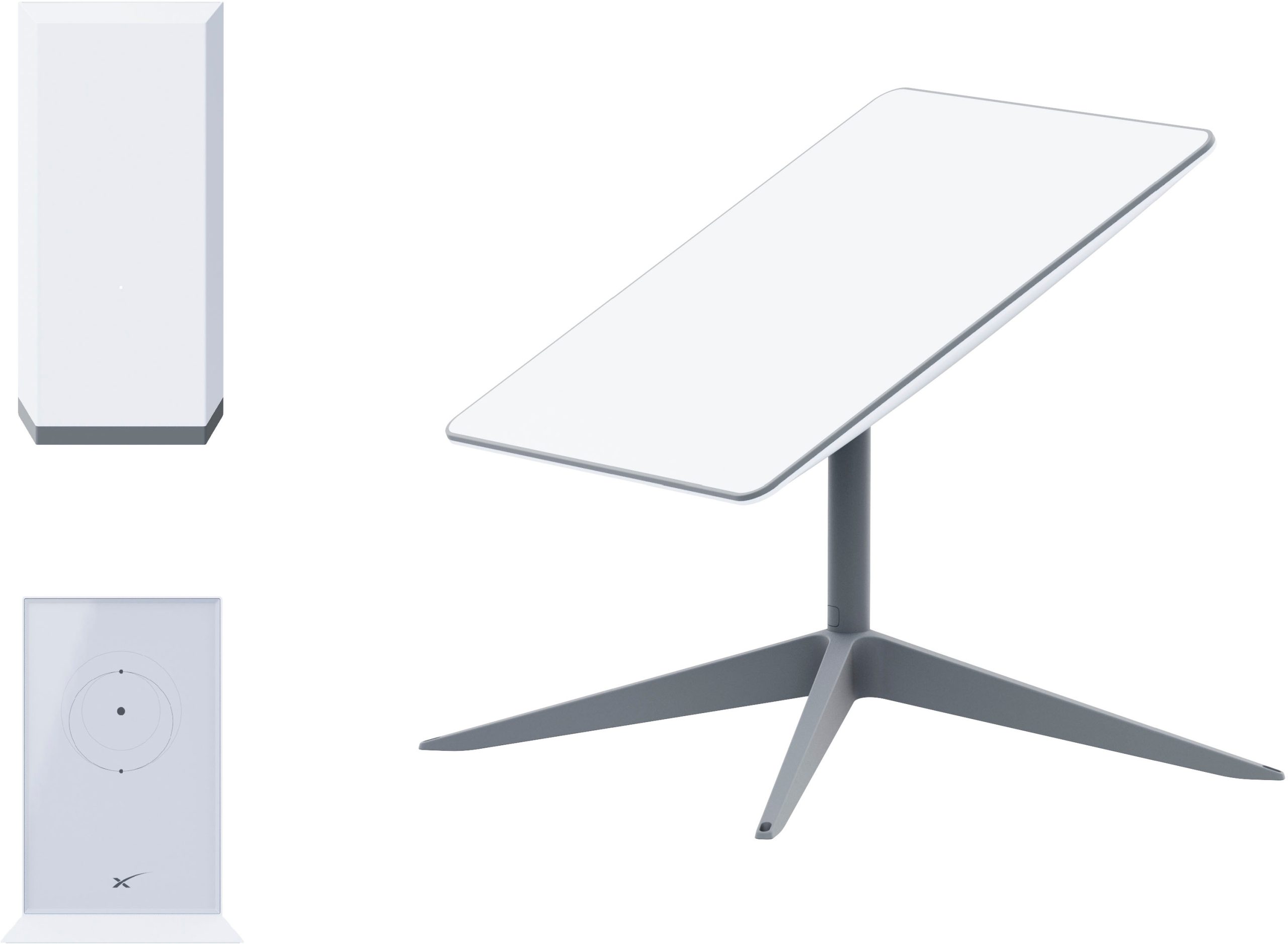
• Starlink satellite dish antenna ('Dishy') — self-aligning phased array
• Starlink Wi-Fi 6 router — provides dual-band wireless coverage
• Power supply unit (PSU)
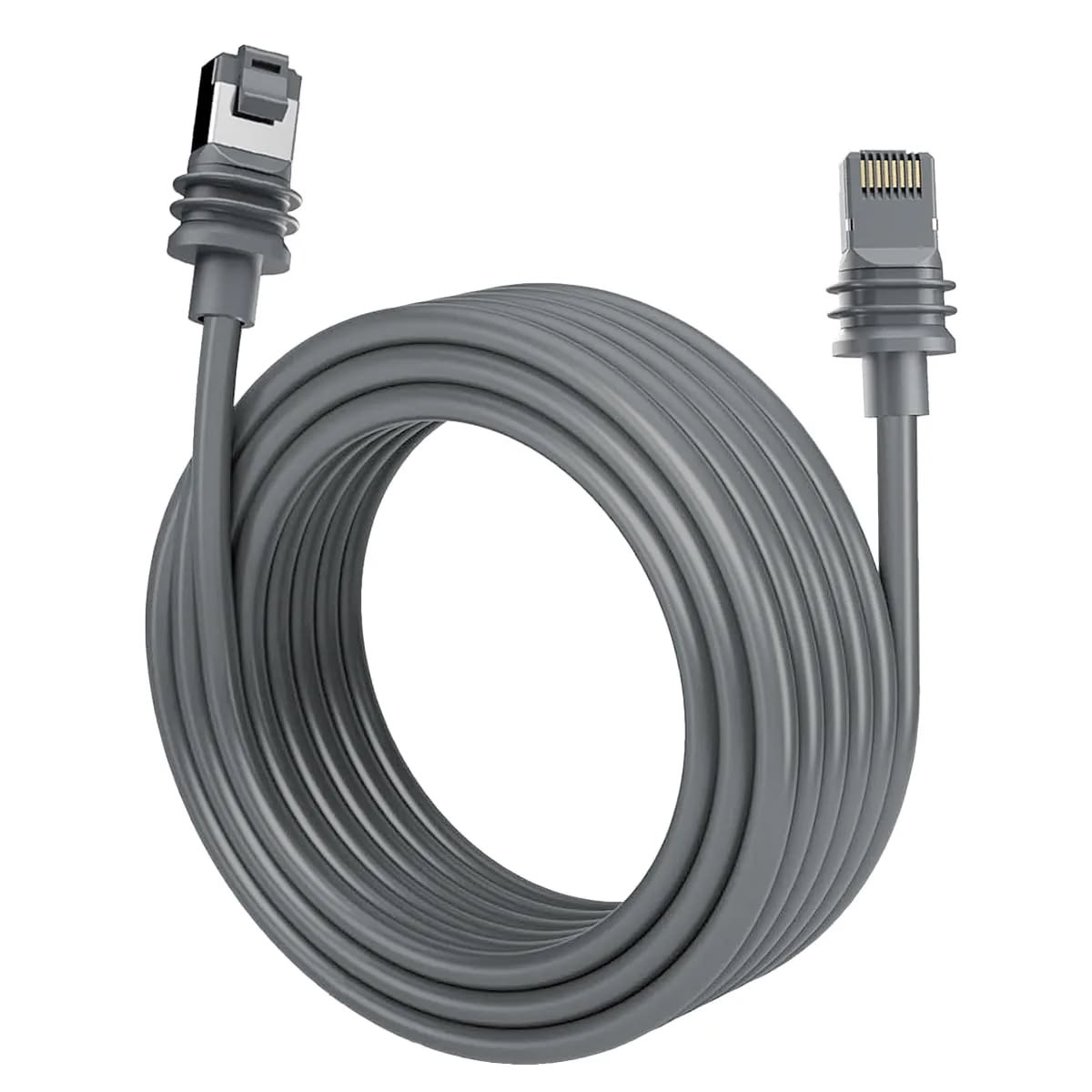
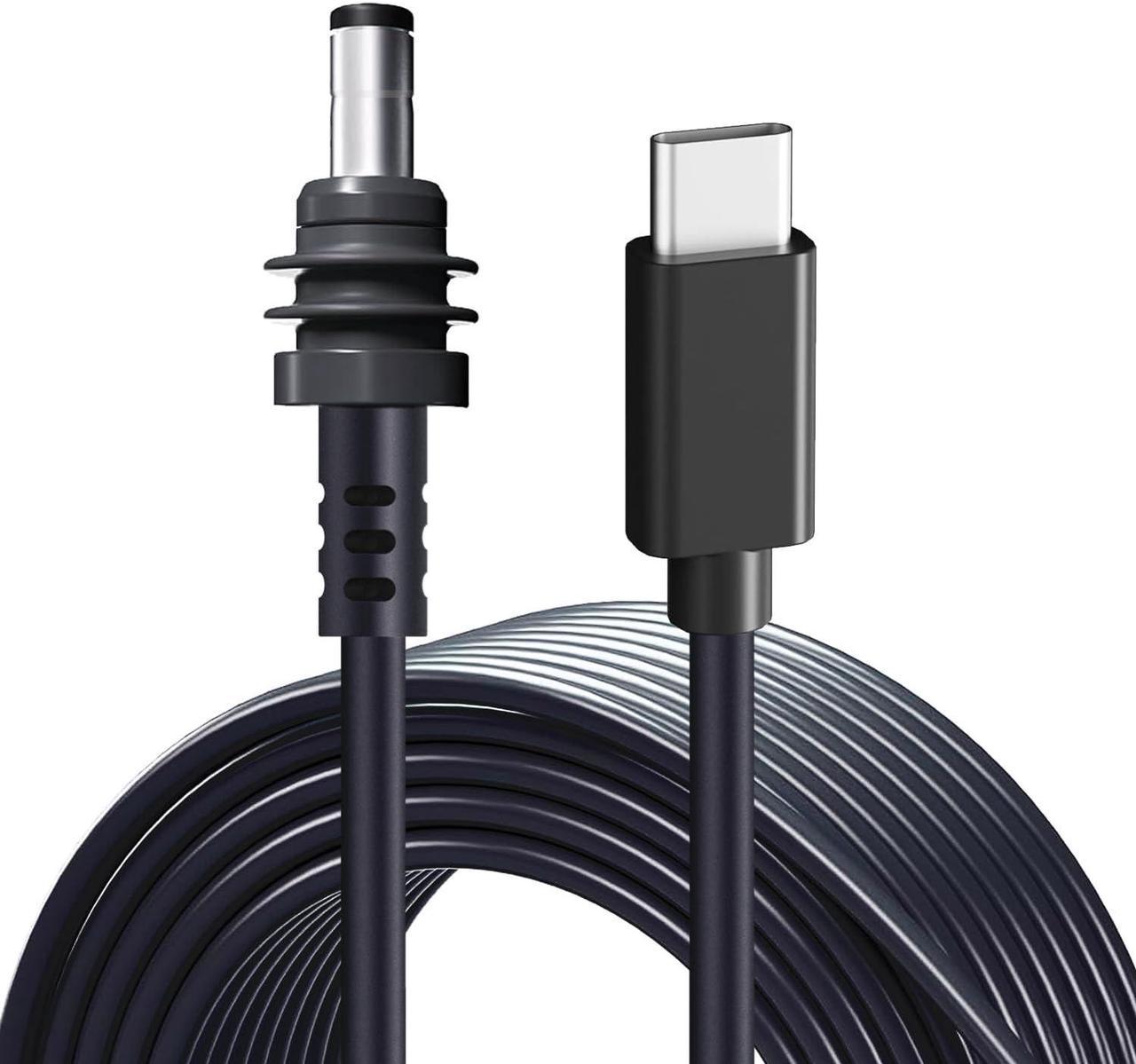
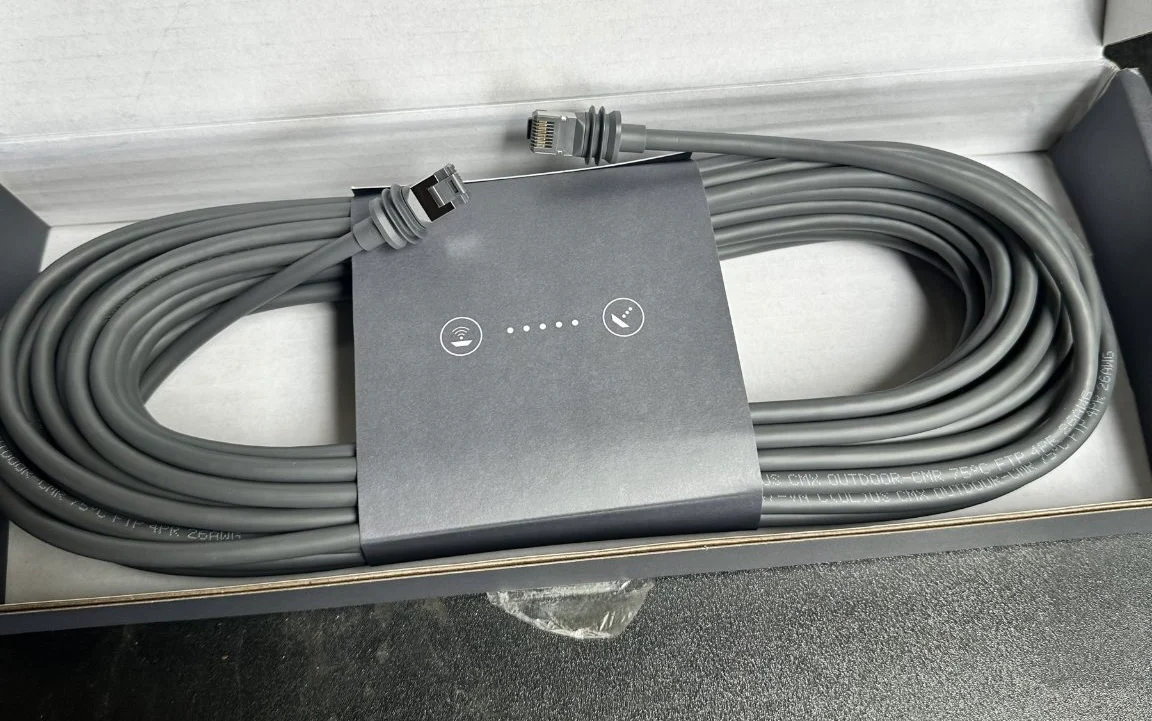
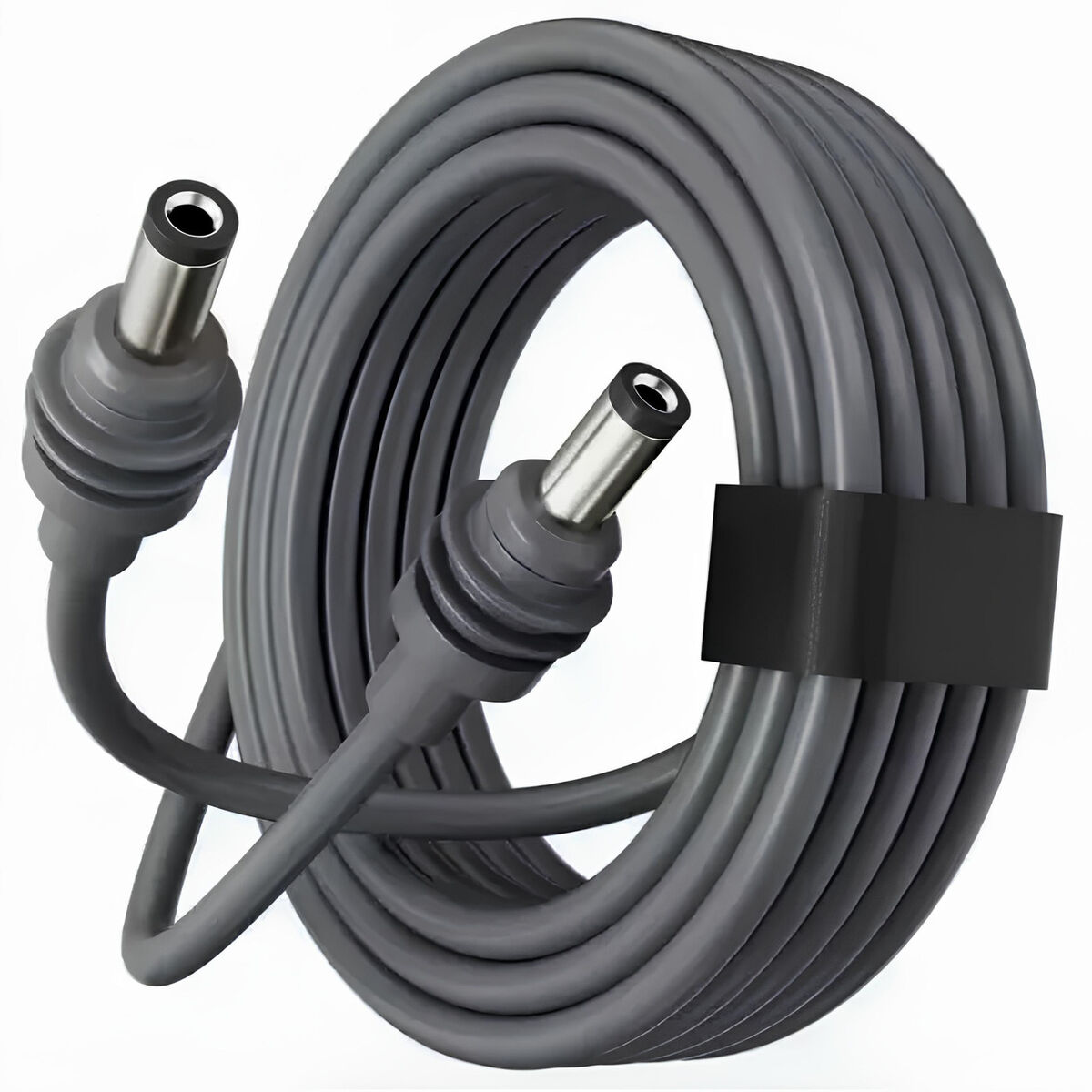
• Proprietary Starlink cable (connects dish to router)
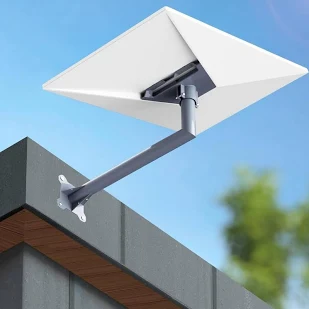
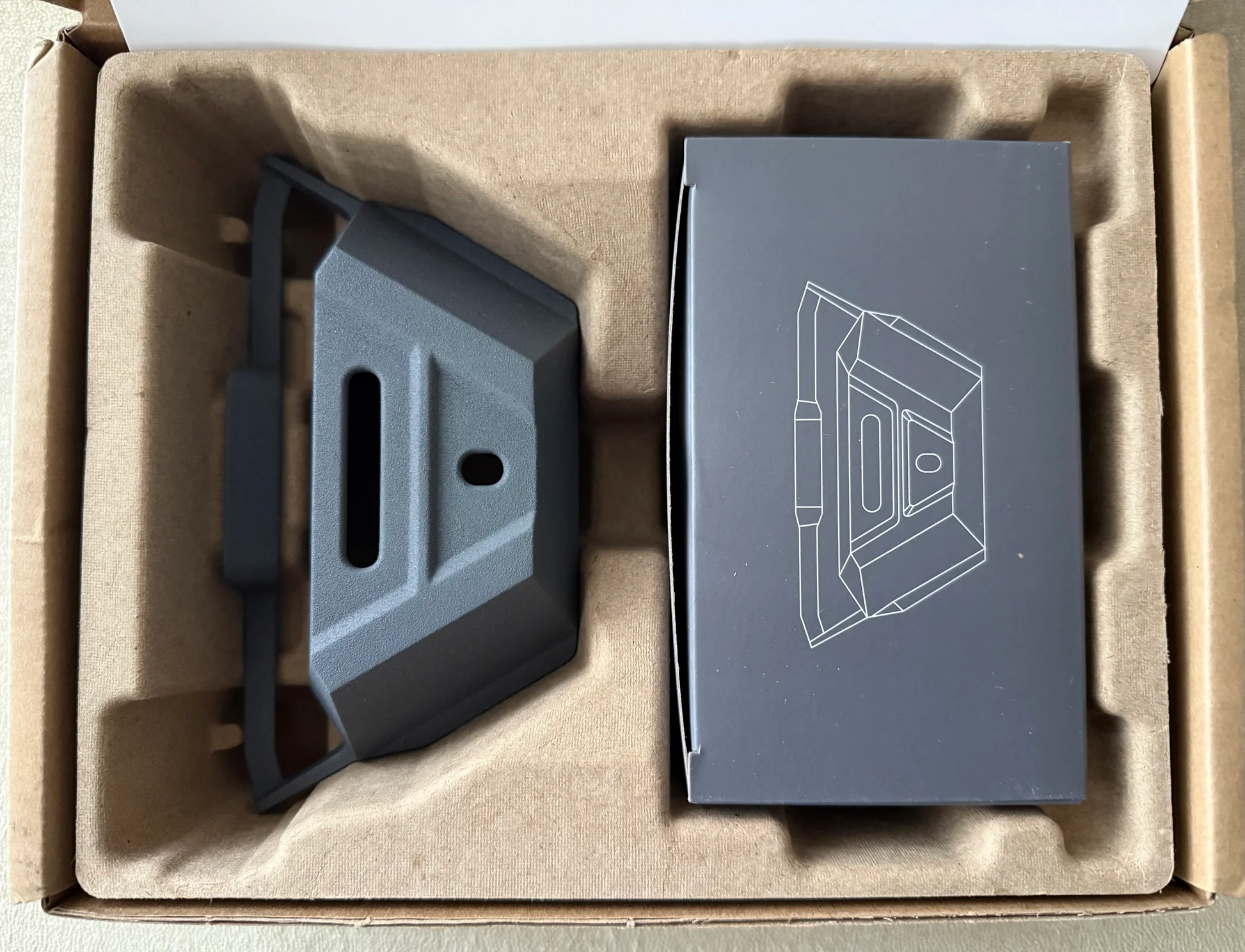
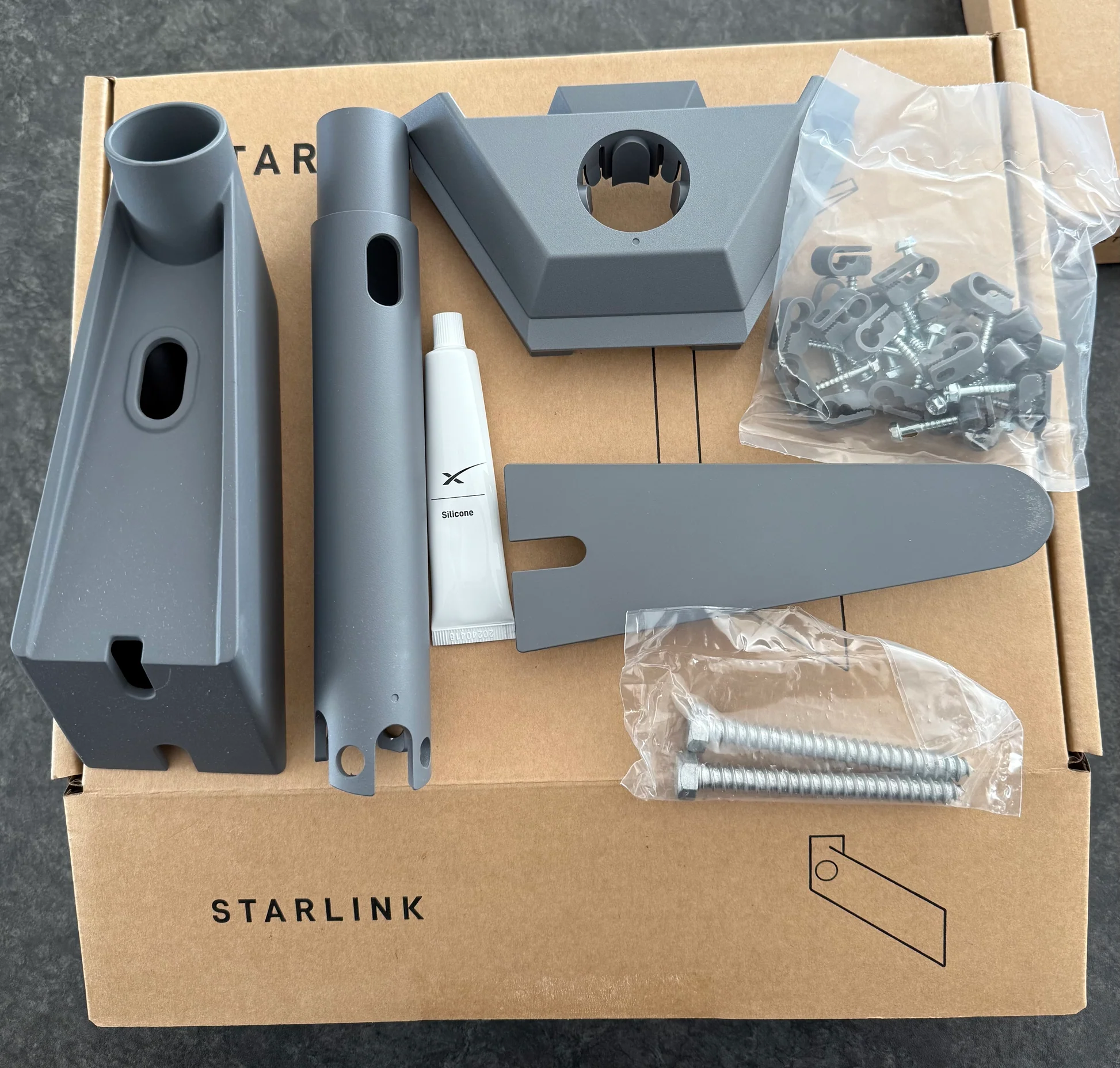
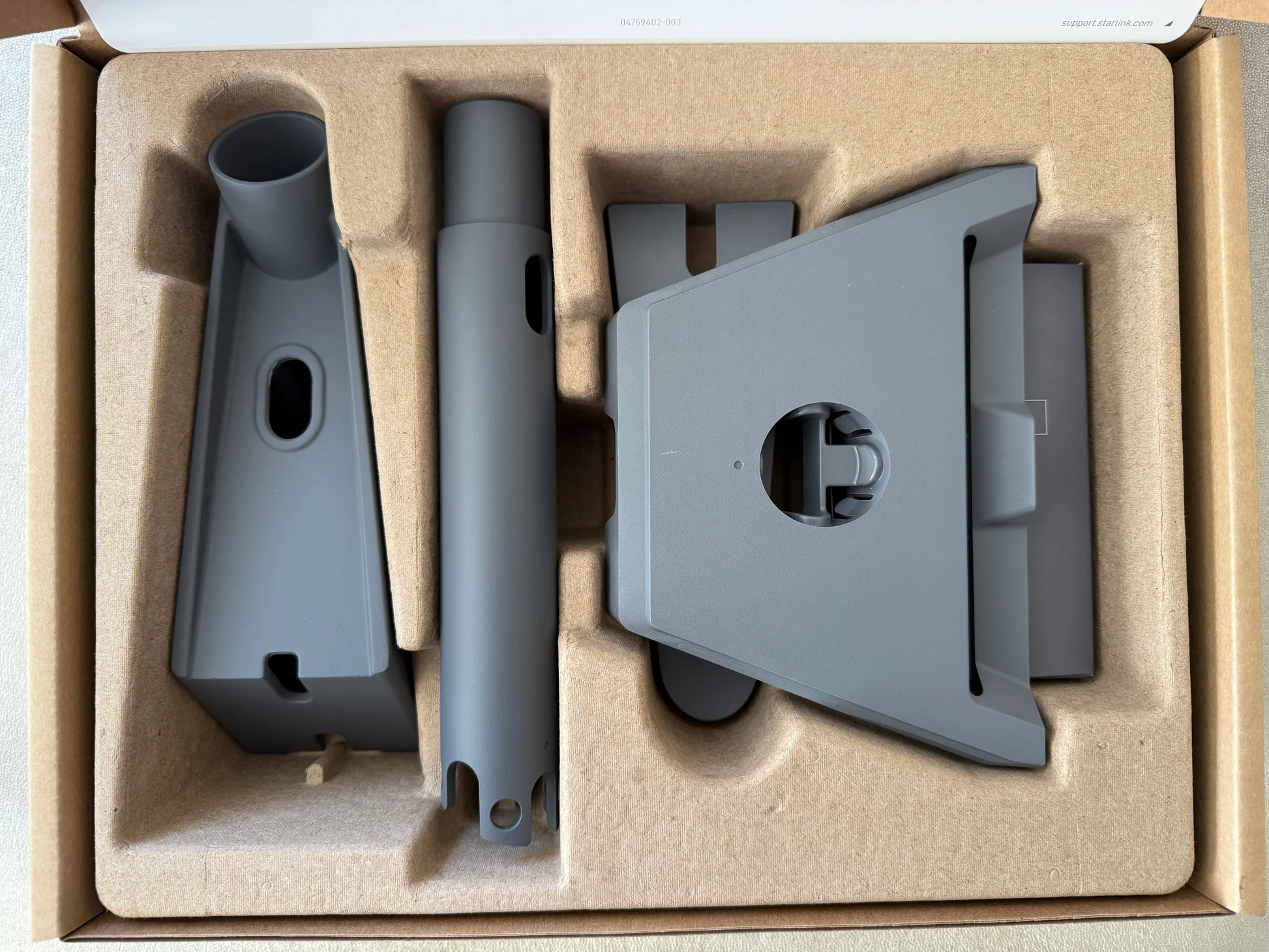
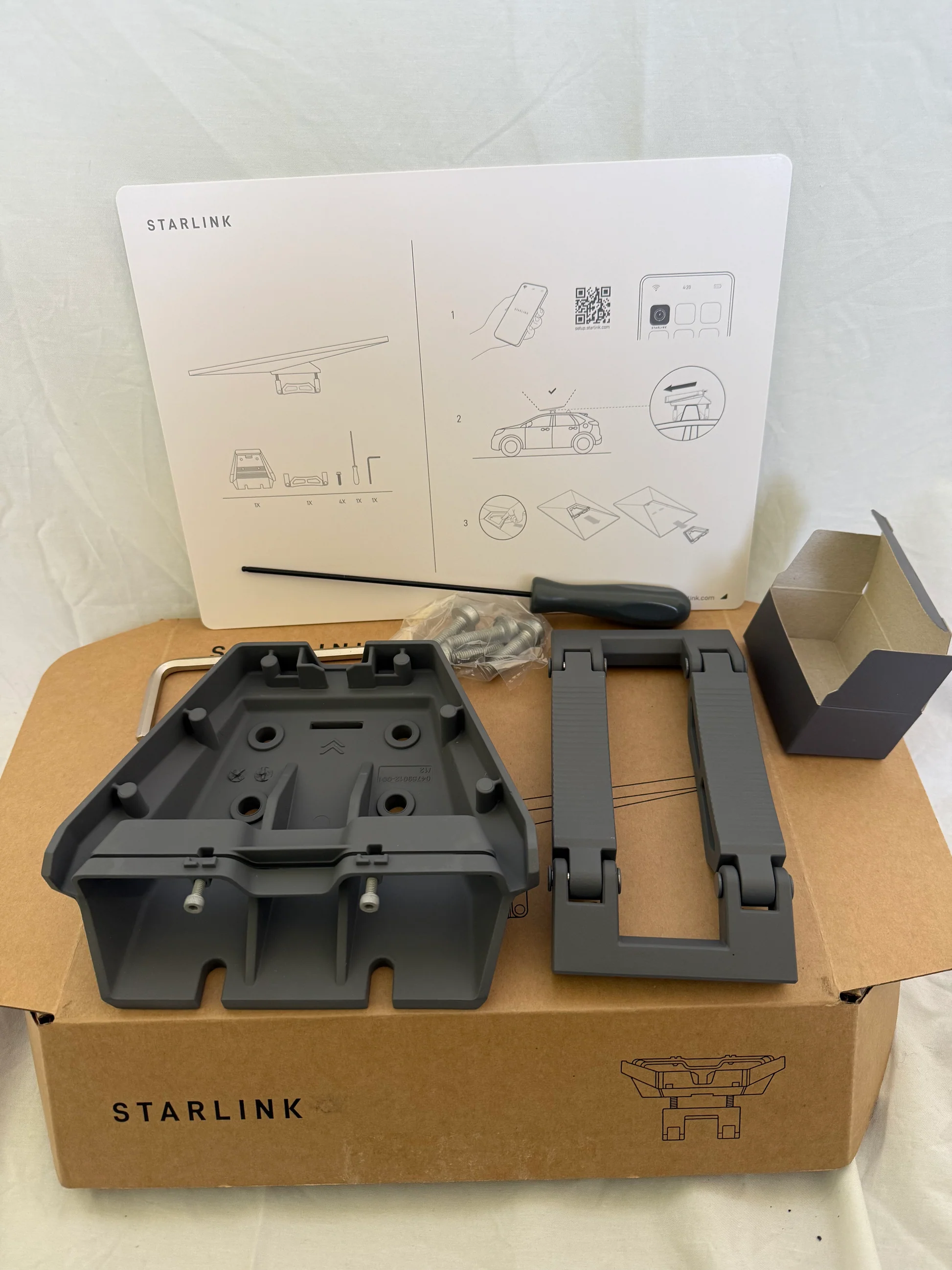
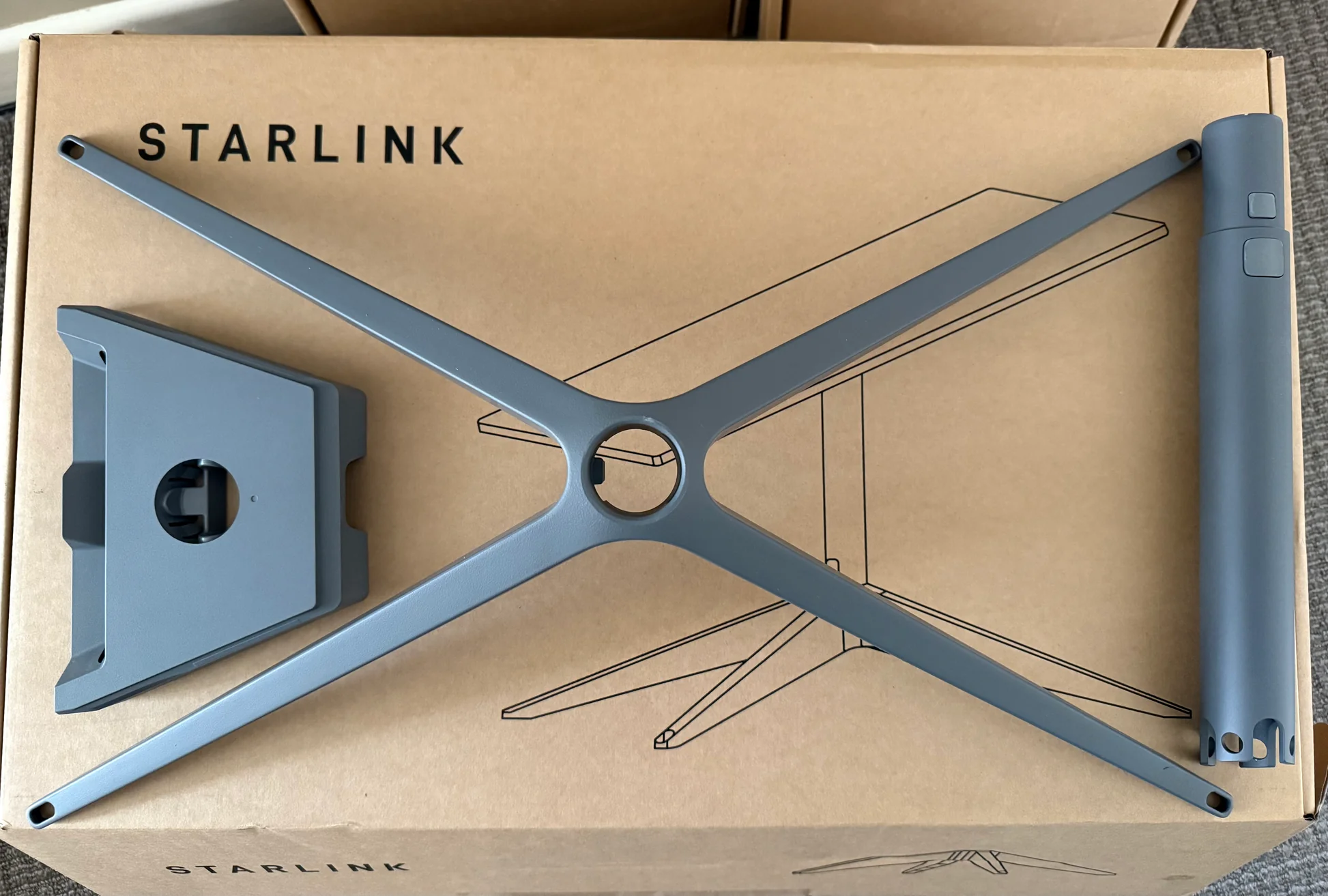
• Mounting base / tripod stand for ground-level or flat-roof placement
• Quick-start setup guide
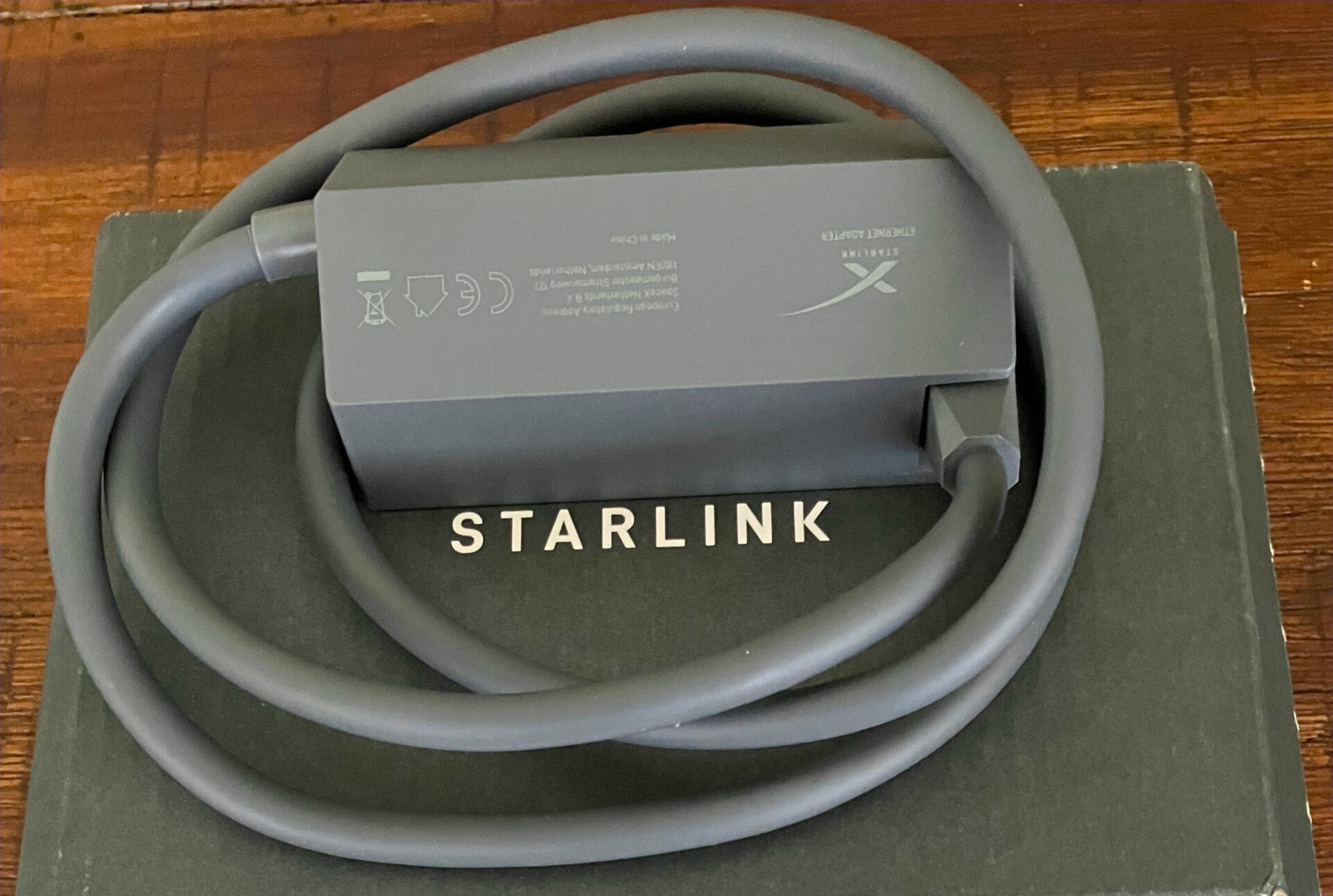
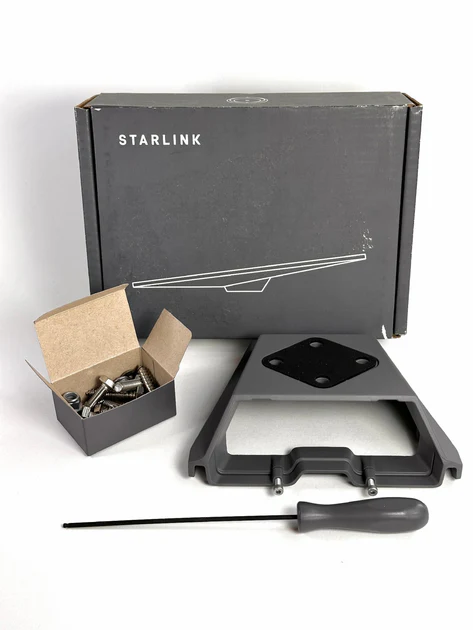
Optional accessories available from resellers include: ethernet adapters (KES 5,000), wall mounts, pole mounts, longer cables, solar integration kits (KES 20,000 for off-grid setups), and surge protection equipment recommended for Kenya's lightning-prone regions.
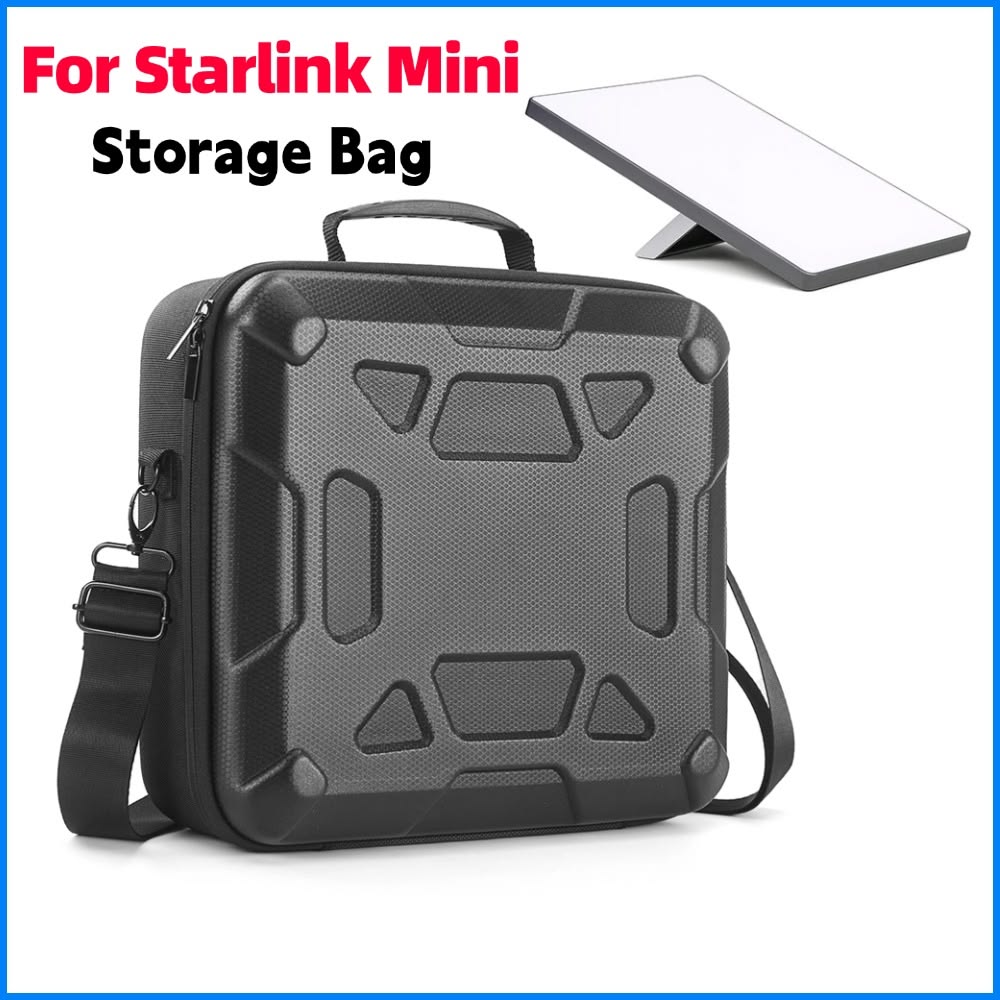
Starlink Mini: The Portable Kit for Kenya
The Starlink Mini, introduced to the Kenyan market in September 2024, is a compact, lightweight version of the standard dish — roughly half the size and weight. At approximately KES 27,000, it is the most affordable Starlink kit in Kenya and is designed for portability. The Mini is ideal for:
• Digital nomads and remote workers who travel between counties
• Safari vehicles and bush camps needing temporary high-speed internet
• Backup internet for homes and offices already served by fibre
• Students in boarding schools and universities in rural Kenya
Starlink also introduced an instalment payment plan for the Mini kit in January 2026, allowing Kenyan customers to pay KES 6,750 upfront and spread the remaining hardware cost over six monthly instalments of KES 4,500 — a structure that significantly lowers the barrier to entry for price-sensitive buyers.

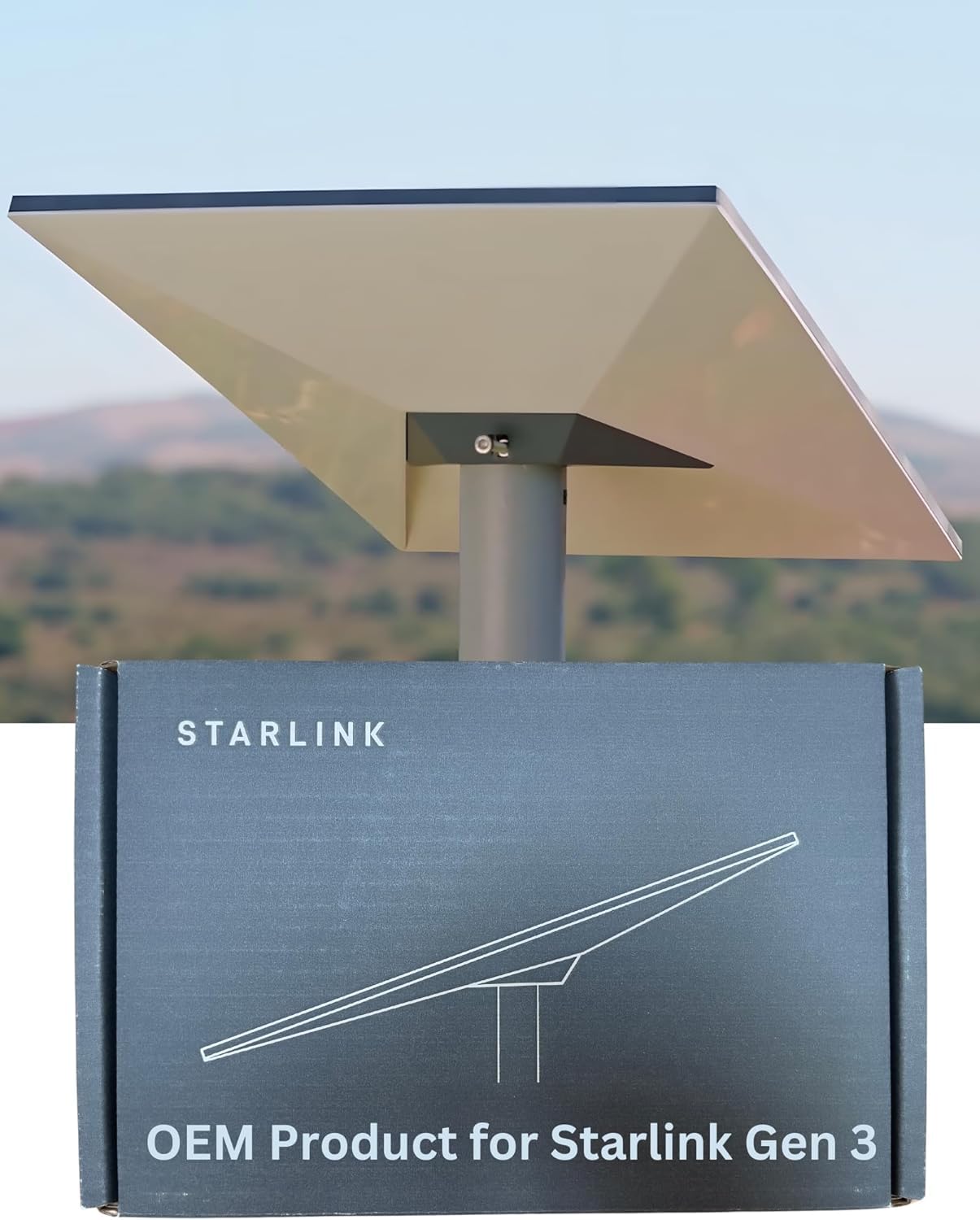
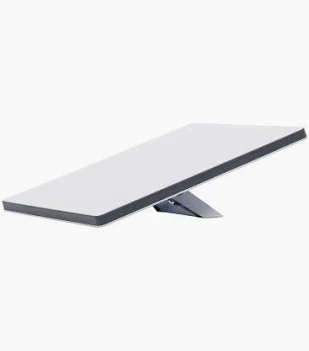
Starlink Standard Gen 3 kit contents: dish, Wi-Fi 6 router, cables, power supply, and mounting base
Image 3: The Starlink Standard Gen 3 (V4) kit as available through authorized Kenyan resellers. The self-aligning dish automatically points to optimal satellite positions once powered on, making setup straightforward for most users.
Where to Buy Starlink Kenya Kits: Authorized Resellers
Starlink Kenya kits can be purchased directly from starlink.com, or through authorized local resellers who provide hardware supply, professional installation, local payment options including M-Pesa, and ongoing after-sales support. Buying through an authorized reseller adds significant value, particularly for business users and those in locations where professional installation is essential for optimal performance.
|
#
|
Reseller
|
Website
|
Speciality
|
|
1
|
Starlink Kenya
|
https://starlinkkenya.co.ke/
|
Official portal, all plans & kits
|
|
2
|
Spacelink Kenya
|
https://spacelinkkenya.co.ke/
|
Business & residential kits, installation
|
|
3
|
Starlite Internet Kenya
|
https://starliteinternetkenya.co.ke/how-to-purchase-starlink-bundles-in-kenya
|
Starlink bundles & managed plans
|
|
4
|
Amazon Internet Kenya
|
https://amazoninternetkenya.co.ke/
|
Satellite internet kits & support
|
|
5
|
Satellite Internet Installers
|
https://satelliteinternetinstallers.com/
|
Professional installation, Kenya-wide
|
Table 3: Authorized Starlink Kenya resellers — where to buy kits, bundles, and installation services
1. Starlink Kenya — starlinkkenya.co.ke
Starlink Kenya is a dedicated Starlink internet service portal serving Kenyan consumers and businesses across all counties. The platform provides comprehensive information on all Starlink plans and kits available in Kenya, hardware ordering, installation coordination, and ongoing customer support. Whether you are a first-time buyer or an existing subscriber looking to upgrade your plan or equipment, Starlink Kenya is your primary reference point for all things Starlink in Kenya.
2. Spacelink Kenya — spacelinkkenya.co.ke
Spacelink Kenya is one of Kenya's leading satellite internet specialists, with deep expertise in both Starlink residential and business deployments. Their portfolio spans the Starlink Mini, Standard Gen 3, and Flat High Performance Kit, with professional installation services covering Nairobi and surrounding regions. Spacelink Kenya's technical team is particularly experienced in enterprise-grade deployments, making them the recommended partner for businesses requiring the Flat HP Kit or a managed business internet service built on Starlink.
3. Starlite Internet Kenya — Starlink Bundles
Starlite Internet Kenya's Starlink bundle page offers a detailed guide on how to purchase Starlink bundles in Kenya, covering plan selection, hardware procurement, and the step-by-step process from order to activation. Starlite specializes in simplifying the Starlink purchasing journey for Kenyan consumers, with bundled packages that combine hardware and service plans for straightforward, all-inclusive pricing. Their managed service approach is particularly popular with households and SMEs that prefer a single monthly invoice rather than managing hardware and subscriptions separately.
4. Amazon Internet Kenya — amazoninternetkenya.co.ke
Amazon Internet Kenya is a satellite internet solutions provider serving the Kenyan market with a focus on both current Starlink services and next-generation Amazon Leo internet technology. The company offers Starlink kit supply, professional installation, and managed service packages for residential and commercial customers, with Kenya-wide service coverage. As an authorized partner for both Starlink and the incoming Amazon Leo network, Amazon Internet Kenya is well-positioned for customers planning their connectivity strategy for the medium and long term.
5. Satellite Internet Installers — satelliteinternetinstallers.com
Satellite Internet Installers specializes in professional satellite internet installation across all 47 counties of Kenya. With a geographically dispersed team of trained technicians, the company provides site surveys, equipment supply, professional dish mounting, cable routing, router configuration, and post-installation support for Starlink customers across the country. For buyers outside Nairobi — in upcountry, coastal, or remote locations — Satellite Internet Installers offers the most consistent nationwide installation coverage of any authorized reseller in Kenya.
Starlink Kenya Installation: DIY vs Professional Setup
One of Starlink's most compelling selling points is how simple installation is compared to traditional ISP setups. Here is what the process looks like in Kenya:
DIY Self-Installation (Under 30 Minutes)
Starlink kits are designed for self-installation without any specialist tools or engineering knowledge. The process is:
• Unbox the kit and identify a location with an unobstructed view of the sky — typically a rooftop, terrace, or open yard area.
• Set up the mounting base (tripod or flat-roof stand included in the kit) and attach the dish.
• Run the proprietary cable from the dish to your router location indoors.
• Plug the router into power and connect the cable from the dish.
• Download the Starlink app on your smartphone and follow the step-by-step activation guide.
• The dish automatically self-aligns to find satellites — no manual pointing required.
• Connect your devices to the Starlink Wi-Fi network and run a speed test.
Most users complete the entire process in 20–30 minutes. The Starlink app includes an obstruction checker — point your phone at the sky in any direction and the app will identify any trees, buildings, or other obstructions that could affect signal quality.
Professional Installation: When and Why You Need It
While DIY installation works well for simple residential setups, professional installation is strongly recommended for:
• Multi-storey buildings and commercial premises where rooftop access requires safety equipment and proper structural assessment.
• Permanent pole mounts, wall mounts, and custom bracket installations requiring drilling and waterproofing.
• Enterprise deployments integrating Starlink with existing LAN infrastructure, managed switches, and VPN configurations.
• Hospitality properties needing multiple access points, VLAN segmentation, and guest network management.
• Off-grid installations using solar power, requiring inverter sizing, battery backup, and surge protection.
• Locations with potential obstruction challenges requiring careful dish placement optimization.
Professional installation in Kenya is readily available through Satellite Internet Installers, who operate across all 47 counties, as well as through Spacelink Kenya and Starlite Internet Kenya for Nairobi and surrounding regions. Professional installation typically costs from KES 4,000 to KES 8,000 depending on the complexity of the mount and any additional network configuration required.
Installation Tips for Optimal Performance in Kenya
• Always mount the dish with the widest possible clear sky view — even a single tree branch in the signal path can cause dropouts.
• In Kenya's lightning-prone regions, invest in a quality lightning arrestor and grounding system — particularly important in highland areas like Nyeri, Nakuru, and Eldoret.
• Use weatherproof cable conduit where the cable runs along exterior walls to protect against Kenya's intense UV radiation and rain.
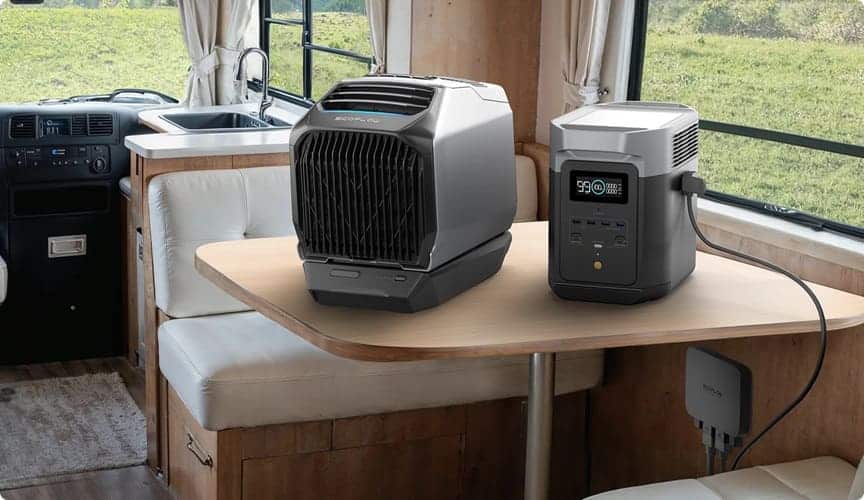
• For off-grid installations, ensure your solar system is properly sized — the Starlink Standard dish consumes approximately 50–75 watts continuously.
• Avoid installing the dish directly above metal roofing sheets without a proper mount, as reflected heat from iron sheets can affect the dish's operating temperature.
Starlink Kenya vs the Competition: How Does It Compare?
Starlink Kenya does not operate in isolation — it competes with Safaricom Home Fibre, Airtel 4G Home, Zuku, Faiba, and other ISPs for Kenyan internet subscribers. Here is how Starlink stacks up:
|
Factor
|
Starlink Kenya
|
Safaricom Home Fibre
|
Airtel 4G Home
|
|
Coverage
|
All 47 counties (any clear sky)
|
Urban fibre corridors only
|
4G coverage zones
|
|
Download Speed
|
50–220 Mbps
|
Up to 100 Mbps (fibre zones)
|
10–50 Mbps
|
|
Latency
|
20–40 ms
|
5–20 ms
|
30–80 ms
|
|
Min. Monthly Cost
|
KES 1,300 (Lite)
|
KES 2,500
|
KES 1,200
|
|
Hardware Cost
|
KES 27K–55K (one-off)
|
Free modem often bundled
|
Modem ~KES 5,000
|
|
Rural Availability
|
Excellent
|
Limited
|
Moderate
|
|
Setup Time
|
Under 30 minutes
|
1–3 weeks (fibre pull)
|
1–2 days
|
Table 4: Starlink Kenya vs Safaricom Fibre vs Airtel 4G — key comparison (June 2026)
The data tells a clear story: Starlink Kenya's principal competitive advantage is geographic coverage. For any user located outside the urban fibre corridors where Safaricom and Airtel have invested in infrastructure, Starlink is often the only option that delivers consistent, high-speed broadband. Even within fibre coverage zones, Starlink's performance during peak hours often exceeds what shared fibre infrastructure delivers in practice.
Starlink's main competitive disadvantage remains the upfront hardware cost — KES 27,000–55,000 for a kit is a significant entry barrier compared to the bundled or zero-upfront options some fibre ISPs offer. However, the instalment payment plan introduced in early 2026 has materially reduced this barrier, and for rural users where fibre is simply not available at any price, Starlink has no comparable alternative.
💡 Value Perspective: For rural Kenyan users where the alternative is slow, unreliable mobile data at KES 1,200–2,000/month, Starlink's KES 6,500 Residential plan delivers dramatically better performance and reliability at a total cost that is competitive when measured on a per-megabit basis.
Who Needs Starlink Kenya? Key Use Cases
Homes and Households
The majority of Starlink Kenya subscribers are households seeking reliable, fast internet for work-from-home, education, streaming, and social connectivity. The Residential plan at KES 6,500/month is the most popular choice, delivering unlimited data at speeds sufficient for an entire family to stream, video call, and browse simultaneously. For budget-conscious households, the Residential Lite plan at KES 1,300 provides an entry point.
Businesses and SMEs
Kenya's SME sector is driving significant demand for reliable business internet, particularly outside Nairobi where fibre is unavailable. Starlink's Business Priority plans give SMEs dedicated bandwidth that is not deprioritized behind residential traffic. Amazon Internet Kenya and Spacelink Kenya both offer tailored business internet packages built on Starlink infrastructure, including managed service contracts and enterprise network integration.
Schools and Educational Institutions
Hundreds of Kenyan schools in rural counties have adopted Starlink as their primary internet connection, enabling e-learning platforms, digital library access, and remote examination systems that were previously inaccessible. Starlink's partnership with Mawingu Networks is deploying connectivity to 450 rural community hubs funded by Microsoft, amplifying the educational impact of Starlink across underserved counties.
Hospitality: Hotels, Lodges, and Safari Camps
Kenya's tourism industry demands reliable, high-speed guest Wi-Fi at properties ranging from Nairobi business hotels to remote Mara bush camps. Starlink has become the default internet solution for lodges and camps outside fibre coverage zones, with the Flat High Performance Kit serving properties requiring hardened, weather-resistant equipment. Guest satisfaction scores at properties that have switched to Starlink consistently cite improved internet quality as a key driver.
Agriculture and Farming
Kenya's agricultural sector is increasingly digitizing — from M-Farm market price apps and weather monitoring to drone fleet management and cloud-based cooperative management systems. Farms in the Rift Valley, Central Kenya highlands, and Coast region that previously operated on unreliable mobile data have adopted Starlink as a farm management platform. Satellite Internet Installers has specific expertise in agricultural satellite internet deployments, including solar-powered off-grid Starlink installations for remote farms.
Maritime and Fishing Operations
Kenya's coastline along the Indian Ocean and its inland lakes — Victoria, Turkana, Naivasha, and Baringo — host significant fishing, ferry, and maritime commerce activities. The Starlink Roam plan and Global Priority plans serve vessels that need reliable connectivity for navigation, communication, cargo management, and crew welfare. The compact Starlink Mini is particularly suited to smaller fishing and safari boat deployments.
Frequently Asked Questions: Starlink Kenya
Is Starlink available in my area in Kenya?
Starlink is available across all 47 counties of Kenya as of 2026 — any location with a clear, unobstructed view of the sky can access the service. Check real-time availability and order directly at starlink.com, or contact any of the authorized resellers listed in Table 3 above to confirm coverage and availability for your specific location.
How much does Starlink cost per month in Kenya?
Starlink Kenya plans range from KES 1,300 per month for the Residential Lite (50 GB) plan to KES 6,500 per month for the unlimited Residential plan. Business Priority plans start from approximately KES 4,200 per month. Roam plans for mobile users start from KES 4,200 per month. All prices include VAT and are billed monthly with no long-term contracts required.
How much does the Starlink kit cost in Kenya?
Starlink kit hardware costs in Kenya range from approximately KES 27,000 for the Starlink Mini to KES 55,000 for the Standard Gen 3 kit and KES 450,000–500,000 for the Flat High Performance Kit. Shipping and handling adds approximately KES 3,100. An instalment payment option is available for the Mini kit, reducing the upfront cost to KES 6,750 with the balance spread over six monthly payments.
Can I pay for Starlink Kenya via M-Pesa?
Yes. Starlink Kenya accepts M-Pesa payments, as do all the authorized local resellers listed in this guide. M-Pesa is supported for both hardware purchases and monthly subscription payments, making Starlink accessible to the broadest possible range of Kenyan buyers without the need for international credit cards or bank transfers.
How fast is Starlink internet in Kenya?
Real-world Starlink Kenya download speeds range from 50 Mbps to 220 Mbps depending on your plan, local network load, and dish placement. Median speeds measured by Ookla in Kenya were approximately 47 Mbps in May 2025, though many users consistently achieve 80–150 Mbps. Latency of 20–40 ms makes Starlink Kenya suitable for video conferencing, online gaming, and all real-time applications. Business Priority plan users experience higher average speeds due to data prioritization.
Does Starlink work in heavy rain in Kenya?
Starlink is significantly more resilient to weather than traditional VSAT satellite systems. Light to moderate rain has minimal impact on performance. Very heavy downpours — particularly during Kenya's long rains in April–June — can cause temporary speed reductions or brief connection interruptions in extreme conditions. In practice, most Kenyan Starlink users report that performance during rain is far better than mobile data, which tends to be degraded by the same weather conditions.
What is the difference between Starlink and Amazon Leo in Kenya?
Starlink and Amazon Leo (formerly Project Kuiper) are both LEO satellite internet services, but they are operated by different companies — SpaceX and Amazon respectively. Starlink is fully licensed and commercially active in Kenya right now. Amazon Leo has filed for its Kenyan operating licence (April 2026) but is not yet commercially available in Kenya. When Amazon Leo launches, it is expected to deliver competitive or superior speeds, particularly on upload performance. For buyers who need satellite internet today, Starlink is the clear choice.
Do I need to register my National ID for Starlink in Kenya?
Yes. The Communications Authority of Kenya requires all Starlink subscribers to register their National ID or Passport number, date of birth, and phone number in their Starlink account. This is a regulatory compliance requirement. Failure to complete this verification risks service suspension. Your authorized reseller can assist with this registration process during kit activation.
Conclusion: Why Starlink Kenya Is the Smart Connectivity Choice in 2026
Starlink Kenya has moved from being a curiosity for early adopters to an essential connectivity infrastructure for tens of thousands of Kenyan homes, businesses, schools, and institutions. Its ability to deliver reliable, high-speed internet to any location in Kenya — regardless of how far it lies from the nearest fibre cable or 4G tower — represents a structural shift in how Kenya connects.
Whether you are a family in Nairobi looking for a reliable alternative to congested fibre, a farmer in Uasin Gishu County needing to run cloud-based crop management software, a lodge owner in Laikipia wanting to give guests Wi-Fi that actually works, or a school in Wajir County hoping to bring e-learning to its students, Starlink Kenya has a plan and a kit designed for your situation.
The five authorized resellers profiled in this guide — Starlink Kenya, Spacelink Kenya, Starlite Internet Kenya, Amazon Internet Kenya, and Satellite Internet Installers — are your trusted local partners for hardware supply, professional installation, M-Pesa payment, and ongoing support. Contact any of them today to check your location's availability, get a tailored quotation, and take the first step toward faster, more reliable internet anywhere in Kenya.
🚀 Get Starlink Kenya Today: Visit any authorized reseller listed in this article, check your coverage at starlink.com, and join over 22,000 Kenyan subscribers already enjoying high-speed satellite internet — from Nairobi to the most remote corners of the country.
Disclaimer: Starlink Kenya prices and plans are subject to change. All pricing figures cited in this article are current as of June 2026 and should be verified directly with Starlink at starlink.com or with your chosen authorized reseller before purchase. Amazon Leo Kenya is pending Communications Authority of Kenya licence approval and is not yet commercially active.