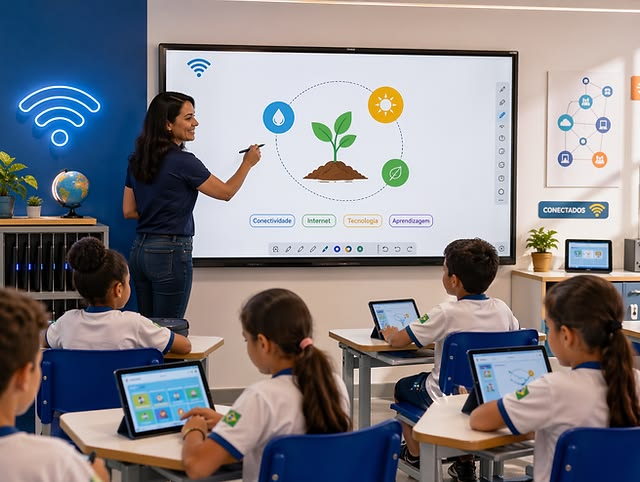
Education Connectivity Upgrade at University of Nairobi: Enhancing Digital Learning Through Starlink Technology

Universities across Kenya are experiencing a rapid increase in demand for reliable and high-speed internet connectivity as digital learning becomes more integrated into higher education. Modern institutions now depend heavily on online learning platforms, virtual classrooms, cloud-based systems, video conferencing, digital research tools, and real-time collaboration technologies to support both academic and administrative operations. However, many universities still face challenges with traditional internet infrastructure, including unstable connections, limited bandwidth, network congestion, and costly infrastructure expansion. These issues often disrupt online classes, slow research activities, and affect communication between students, lecturers, and university departments. As institutions continue modernizing their learning environments, dependable internet connectivity has become essential for improving educational quality and operational efficiency.
Educational institutions are increasingly adopting digital systems to support remote learning, online examinations, student portals, financial management platforms, and access to international academic resources. Despite this progress, many campuses continue struggling with unreliable internet services that cannot efficiently support growing numbers of connected users and bandwidth-intensive applications. Traditional connectivity solutions may also face limitations in extending stable internet access across large campuses, satellite campuses, and remote learning centers. In today’s highly connected education sector, uninterrupted internet access is critical for maintaining productivity, supporting innovation, and enabling students and researchers to participate in global digital learning opportunities. Universities therefore require scalable and future-ready connectivity solutions that can adapt to the growing technological demands of modern education.
The internet connectivity rollout at the University of Nairobi highlights how Starlink is helping transform educational institutions through advanced satellite internet technology. By delivering fast and low-latency internet connectivity, Starlink is enabling universities to improve online learning experiences, strengthen research capabilities, and support seamless digital collaboration across campus environments. Unlike conventional internet infrastructure that depends heavily on fiber or terrestrial networks, Starlink provides flexible deployment and broader coverage, making it easier for institutions to improve connectivity without major infrastructure challenges. This rollout reflects the growing adoption of innovative internet technologies within Kenya’s education sector as universities seek to create smarter, more connected, and digitally empowered learning environments for students and academic staff.
1. The Growing Need for Reliable Internet in Universities

Reliable internet is now essential in universities because learning, research, and administration increasingly depend on digital systems. Universities require strong connectivity to support online education, cloud platforms, communication systems, and academic collaboration. Poor internet can disrupt learning, delay operations, and reduce productivity across campus.
1.1 Rise of Digital Learning
Digital learning has increased the demand for stable internet in universities.
• Virtual Classrooms
Universities use online platforms for live lectures and remote learning. Reliable internet ensures smooth communication between students and lecturers.
• E-Learning Platforms
Students access notes, recorded lectures, assignments, and discussions through online learning systems that require stable connectivity.
• Online Assignments and Examinations
Internet connectivity supports online tests, assignment submissions, and digital assessments without interruptions.
Reliable internet supports flexible and efficient digital learning in modern universities.
1.2 Research and Collaboration Requirements
Internet connectivity is important for academic research and collaboration.
• Cloud-Based Research Systems
Researchers use cloud platforms to store, analyze, and share research data efficiently.
• International Academic Collaboration
Reliable internet enables online meetings, webinars, and research partnerships with global institutions.
• Access to Digital Libraries and Journals
Students and lecturers depend on online academic resources for research and learning.
Strong internet improves research efficiency and supports global academic collaboration.
1.3 Administrative System Dependence
Universities rely on internet-based systems for daily operations.
• Student Portals
Students use online portals for registration, fee payments, and accessing results.
• Finance and HR Systems
Administrative departments use digital systems for payroll, accounting, and staff management.
• Internal Communication Systems
Internet connectivity supports emails, meetings, and communication between departments.
Reliable internet helps universities manage operations more efficiently.
1.4 Challenges of Poor Connectivity in Higher Education
Poor internet connectivity creates major challenges in universities.
• Downtime During Lectures
Internet outages can interrupt online classes and academic activities.
• Slow Research Access
Poor connectivity delays access to journals, databases, and research tools.
• Interrupted Online Meetings
Weak internet affects communication during virtual meetings and conferences.
• Student Frustration and Reduced Productivity
Students may struggle to access learning materials and complete assignments on time.
Reliable internet is necessary to improve learning, research, communication, and overall productivity in universities.
2. Connectivity Challenges Faced Before the Rollout

Before the connectivity upgrade, many universities experienced major internet challenges that affected learning, communication, research, and administrative operations. Growing numbers of students, lecturers, and connected devices placed heavy pressure on existing networks, leading to slow speeds, unstable connections, and limited access across campus.
2.1 Network Congestion During Peak Hours
University networks often became overloaded during busy hours when many students and staff connected at the same time.
• High Number of Connected Devices
Thousands of smartphones, laptops, tablets, and smart devices are connected to the network daily, increasing internet traffic.
• Reduced Internet Performance
During peak hours, internet speeds slowed significantly, affecting browsing, streaming, and academic activities.
• Delayed Access to Online Resources
Students experienced delays when accessing portals, e-learning platforms, and online research materials.
Network congestion reduced internet reliability and affected productivity across campus.
2.2 Limited Coverage Across Departments
Some university departments and buildings experienced weak or inconsistent internet coverage.
• Uneven Connectivity Across Campus
Certain lecture halls, offices, libraries, and hostels had poor Wi-Fi signal strength.
• Difficulty Accessing Online Systems
Students and staff in low-coverage areas struggled to access learning platforms and digital services.
• Increased Dependence on Mobile Data
Many users were forced to rely on expensive mobile internet alternatives due to unreliable campus connectivity.
Limited coverage created unequal internet access across different parts of the university.
2.3 Unstable Video Conferencing and Online Classes
Online learning and virtual meetings were frequently disrupted by unstable internet connections.
• Interrupted Virtual Lectures
Students and lecturers experienced frozen screens, audio delays, and dropped sessions during online classes.
• Poor Communication Quality
Video conferencing platforms struggled to maintain stable connections during meetings and webinars.
• Reduced Learning Efficiency
Frequent interruptions affected concentration, engagement, and the overall learning experience.
Unstable connectivity negatively affected online education and virtual collaboration.
2.4 Slow Upload and Download Speeds
Slow internet speeds created challenges for students, researchers, and administrators.
• Delayed File Uploads
Uploading assignments, research documents, and multimedia files often took too long.
• Slow Downloads of Learning Materials
Students experienced delays when downloading lecture notes, journals, and recorded classes.
• Reduced Productivity
Slow connectivity wasted time and limited efficiency in both academic and administrative tasks.
Low internet speeds reduced operational efficiency and affected digital learning activities.
2.5 Dependence on Overloaded Traditional Networks
Many universities depended on traditional internet providers that struggled to meet growing demand.
• Limited Bandwidth Capacity
Traditional networks often lacked sufficient bandwidth to support large university populations.
• Frequent Downtime
Network outages and interruptions affected learning schedules and administrative operations.
• Scalability Challenges
Existing systems could not easily expand to support increasing digital demands and online services.
Dependence on overloaded traditional networks limited internet performance and reliability.
Before the rollout, universities faced several connectivity challenges, including network congestion, weak campus coverage, unstable online classes, slow internet speeds, and dependence on overloaded traditional networks. These issues affected learning, research, communication, and administrative efficiency. Improving internet infrastructure became necessary to support modern digital education and growing campus connectivity demands.
3. Why Starlink Was the Ideal Solution

As universities continued experiencing connectivity challenges, there was a growing need for a faster, more reliable, and scalable internet solution. Traditional networks often struggled to support increasing digital learning demands, online research, and campus-wide connectivity requirements. Starlink emerged as an ideal solution because of its high-speed satellite internet, low-latency performance, broad coverage, and ability to deploy quickly across large institutions.
3.1 High-Speed Satellite Internet
Starlink provides high-speed satellite internet capable of supporting modern university operations.
• Faster Internet Access
Students and staff can browse, stream lectures, download materials, and access online platforms more efficiently.
• Improved Learning Experience
High-speed connectivity supports smooth digital learning, research activities, and cloud-based applications.
• Better Support for Multiple Users
Starlink can handle large numbers of connected users across busy university environments.
High-speed internet improves productivity, digital learning, and overall campus connectivity.
3.2 Low Latency for Real-Time Learning
Low latency is important for activities that require real-time communication and fast response times.
• Smooth Video Conferencing
Online classes, webinars, and virtual meetings operate with fewer delays and interruptions.
• Improved Interactive Learning
Students and lecturers can communicate more effectively during live online sessions.
• Better Online Collaboration
Low latency improves cloud collaboration, online discussions, and remote teamwork.
Starlink’s low latency supports smooth and responsive real-time learning experiences.
3.3 Reliable Connectivity Across Large Campuses
Universities require internet solutions that can provide coverage across multiple buildings and departments.
• Wide Area Coverage
Starlink helps extend connectivity to lecture halls, libraries, offices, hostels, and research centers.
• Reduced Connectivity Gaps
Departments previously affected by weak internet coverage can access more reliable connections.
• Consistent Network Performance
Reliable connectivity improves communication and access to digital systems across campus.
Conclusion
Starlink improves internet availability across large university environments.
3.4 Rapid Deployment Compared to Fiber Expansion
Expanding traditional fiber infrastructure across large campuses can be expensive and time-consuming.
• Faster Installation Process
Starlink systems can be deployed more quickly compared to laying fiber cables across campuses.
• Reduced Infrastructure Delays
Universities can improve internet access without waiting for lengthy construction projects.
• Faster Access to Connectivity
Institutions can begin benefiting from improved internet services within a shorter time.
Rapid deployment allows universities to upgrade connectivity faster and more efficiently.
3.5 Scalability for Growing Academic Demands
Universities continue experiencing growth in student populations, digital systems, and online learning activities.
• Support for Increasing Internet Usage
Starlink can support growing numbers of users and connected devices.
• Expansion for Future Digital Needs
Universities can scale internet capacity as academic and technological demands increase.
• Flexible Connectivity Solutions
Starlink supports both current operations and future campus digital transformation initiatives.
Scalable internet infrastructure helps universities prepare for future growth and increasing digital demands.
Starlink became an ideal connectivity solution for universities because it offers high-speed internet, low-latency performance, reliable campus-wide coverage, rapid deployment, and scalability for future growth. These advantages help universities improve digital learning, research, communication, and operational efficiency while supporting the growing demand for modern educational technology.
4. The University of Nairobi Starlink Deployment Process
The deployment of Starlink at the University of Nairobi involved careful planning, professional installation, and network optimization to ensure reliable internet connectivity across the campus. The process focused on improving coverage, increasing network stability, and supporting the growing digital needs of students, lecturers, researchers, and administrative departments.
4.1 Site Survey and Connectivity Assessment
Before installation, a detailed site survey was conducted to evaluate the campus environment and determine the best deployment strategy.
• Obstruction Checks
Technicians inspected buildings, trees, and surrounding structures to identify anything that could block satellite signals and affect performance.
• Coverage Planning
The deployment team analyzed different campus areas to ensure reliable internet coverage in lecture halls, offices, libraries, and student spaces.
• Network Optimization Strategy
A network plan was created to improve bandwidth distribution, reduce congestion, and support large numbers of connected users.
The site survey helped create an efficient deployment strategy that improved connectivity reliability across the university.
4.2 Professional Installation
Professional installation ensured the Starlink system was securely mounted and optimized for maximum performance.
• Mounting and Positioning
The Starlink equipment was installed in elevated positions with clear visibility to the sky for stronger satellite communication.
• Cable Management
Proper cable routing and protection improved safety, reduced clutter, and protected network infrastructure from damage.
• Signal Optimization
Technicians adjusted positioning and alignment to achieve stable connectivity and better signal quality.
Professional installation improved system stability, safety, and overall network performance.
4.3 Network Configuration and Integration
After installation, the system was configured and integrated into the university’s existing network infrastructure.
• Wi-Fi Coverage Setup
Wireless access points and network settings were configured to improve internet coverage across campus.
• Departmental Connectivity
Different departments and facilities were connected to support academic, research, and administrative activities.
• Administrative Integration
The internet system was integrated with student portals, finance systems, communication platforms, and internal digital services.
Proper network integration improved access to digital systems and strengthened campus-wide connectivity.
4.4 Testing and Performance Optimization
Extensive testing was conducted to ensure the system delivered stable and high-performance internet connectivity.
• Speed Testing
Internet speeds were tested to confirm fast upload and download performance.
• Stability Verification
The network was monitored to ensure consistent connectivity and reduced downtime.
• Multi-User Performance Testing
The system was tested under high user loads to evaluate performance during peak usage periods.
Testing and optimization ensured the network could reliably support large numbers of students and staff.
The University of Nairobi Starlink deployment process involved detailed site surveys, professional installation, network integration, and performance optimization. Through careful planning and testing, the university improved internet reliability, expanded coverage, and enhanced connectivity for learning, research, communication, and administration across the campus.
5. Areas Supported by the Deployment

The Starlink deployment at the University of Nairobi was designed to improve connectivity across multiple departments and operational areas within the campus. The upgraded internet infrastructure supports learning, research, communication, and administration by providing stable and high-speed internet access in critical university environments.
5.1 Lecture Halls and Learning Spaces
Lecture halls and classrooms are among the most important areas supported by the deployment.
• Improved Digital Learning
Students and lecturers can access online learning platforms, virtual classrooms, and digital teaching resources more efficiently.
• Support for Multimedia Teaching
Reliable internet supports video streaming, online presentations, and interactive teaching technologies during lectures.
• Better Student Connectivity
Students can connect their devices during classes for research, assignments, and academic collaboration.
Reliable connectivity in learning spaces improves classroom engagement and supports modern digital education.
5.2 Research Departments
Research departments require a stable internet to support academic and scientific activities.
• Access to Online Research Platforms
Researchers can use digital journals, cloud systems, and academic databases more efficiently.
• Improved Data Sharing
Reliable connectivity supports collaboration between departments and international research institutions.
• Faster Research Operations
High-speed internet improves data uploads, downloads, and access to research resources.
Strong connectivity enhances research efficiency and academic collaboration.
5.3 Administrative Offices
University administrative offices depend heavily on internet connectivity for daily operations.
• Efficient Digital Administration
Staff can manage finance systems, student records, payroll, and communication platforms more effectively.
• Improved Service Delivery
Reliable internet reduces delays in registration, fee processing, and access to university services.
• Better Internal Coordination
Departments can communicate and share information more efficiently through digital systems.
Stable internet improves administrative efficiency and operational management.
5.4 Student Collaboration Areas
Student collaboration spaces benefit significantly from reliable internet access.
• Group Discussions and Projects
Students can work together online using collaborative learning platforms and cloud tools.
• Access to Online Resources
Reliable connectivity allows students to research, communicate, and share academic materials easily.
• Enhanced Innovation and Creativity
Internet access supports innovation hubs, coding activities, and student-led digital projects.
Connected collaboration spaces encourage teamwork, innovation, and academic interaction among students.
5.5 Faculty Communication Systems
Faculty communication systems require reliable internet for coordination and academic operations.
• Improved Virtual Communication
Lecturers and university staff can hold online meetings, webinars, and academic discussions without interruptions.
• Faster Information Sharing
Departments can exchange documents, schedules, and announcements more efficiently.
• Better Academic Coordination
Reliable internet improves communication between lecturers, administrators, and research teams.
Stable connectivity strengthens communication and coordination across the university.
The Starlink deployment supported key university areas, including lecture halls, research departments, administrative offices, student collaboration spaces, and faculty communication systems. Reliable internet connectivity improved digital learning, research access, operational efficiency, teamwork, and communication across the campus, helping the university strengthen its digital infrastructure and academic performance.
6. Benefits Experienced After Installation

After the Starlink installation, the University of Nairobi experienced major improvements in internet reliability, speed, and overall digital performance. Students, lecturers, researchers, and administrative staff benefited from better connectivity that supported learning, communication, research, and daily university operations. The upgraded infrastructure helped create a more efficient and digitally connected academic environment.
6.1 Improved Online Learning Experience
The installation significantly improved the quality of digital learning across the university.
• Smoother Virtual Classes
Students and lecturers experienced fewer interruptions during online lectures and virtual learning sessions.
• Better Access to E-Learning Platforms
Learning systems became more responsive, allowing students to access notes, assignments, and recorded lessons easily.
• Increased Student Engagement
Stable connectivity improved participation in online discussions, webinars, and interactive classes.
Reliable internet created a more effective and engaging online learning environment.
6.2 Faster Access to Academic Resources
Students and researchers gained quicker access to digital academic materials.
• Faster Downloads and Uploads
Academic documents, research papers, and learning materials could be accessed more efficiently.
• Improved Access to Online Libraries
Students and lecturers experienced quicker access to journals, e-books, and research databases.
• Reduced Waiting Time
Users spent less time dealing with slow-loading websites and delayed online systems.
Improved internet speeds enhanced access to important academic resources and learning materials.
6.3 Stable Video Conferencing
The new connectivity improved the quality of online communication and virtual meetings.
• Clearer Audio and Video Quality
Video conferencing sessions became more stable with fewer disruptions and delays.
• Improved Online Meetings
Lecturers, researchers, and administrators could hold virtual meetings more efficiently.
• Better Remote Collaboration
The university could participate more effectively in webinars, online conferences, and academic discussions.
Stable internet improved communication and virtual collaboration across the university.
6.4 Better Research Collaboration
Researchers benefited from improved internet performance and cloud connectivity.
• Easier Data Sharing
Research teams could upload, download, and share large files more efficiently.
• Improved International Collaboration
Reliable internet-supported communication with global academic institutions and research partners.
• Faster Access to Research Tools
Researchers could access cloud platforms and online systems without delays.
Improved connectivity strengthened research efficiency and academic collaboration.
6.5 Reduced Downtime and Interruptions
The Starlink deployment helped reduce network instability across campus.
• More Reliable Internet Connectivity
Students and staff experienced fewer internet outages and connection failures.
• Reduced Classroom Disruptions
Online lectures and digital activities continued with improved stability.
• Improved Operational Continuity
Administrative systems and online platforms operated more consistently.
Reduced downtime improved the reliability of university operations and learning systems.
6.6 Enhanced Productivity for Staff and Students
Better internet connectivity improved overall efficiency across the university.
• Faster Completion of Academic Tasks
Students could complete assignments, research, and online activities more efficiently.
• Improved Staff Efficiency
Administrative staff and lecturers could perform digital tasks with fewer delays.
• Better Time Management
Reliable internet reduced time wasted on slow systems and repeated connection issues.
Enhanced connectivity increased productivity and improved the overall academic experience.
After the Starlink installation, the University of Nairobi experienced improved online learning, faster access to academic resources, stable video conferencing, stronger research collaboration, reduced downtime, and increased productivity for students and staff. The deployment helped create a more reliable and efficient digital learning environment that supports modern university operations and future academic growth.
7. Why Educational Institutions Across Kenya Are Adopting Starlink

Educational institutions across Kenya are increasingly adopting Starlink to improve internet reliability, support digital learning, and strengthen campus connectivity. Schools, colleges, universities, and training institutions require a stable internet to support online education, research, administration, and communication. Starlink is helping institutions overcome limitations associated with traditional internet infrastructure while supporting modern educational needs.
7.1 Reliable Internet in Remote Campuses
Many educational institutions in remote areas struggle with limited internet infrastructure.
• Connectivity in Underserved Areas
Starlink helps schools and universities access reliable internet even in locations with poor fiber or mobile network coverage.
• Improved Access to Digital Learning
Students and lecturers in remote campuses can participate in online education more effectively.
• Reduced Dependence on Unstable Networks
Institutions can avoid frequent disruptions caused by weak traditional internet services.
Starlink helps remote educational institutions access stable and dependable internet connectivity.
7.2 Better Performance During Peak Usage
Educational institutions often experience heavy internet usage during busy academic hours.
• Support for Large Numbers of Users
Starlink can handle multiple connected devices across classrooms, offices, and student areas.
• Reduced Network Congestion
Students and staff experience more consistent internet performance during peak periods.
• Improved Online Activities
Online classes, research, and communication systems operate more smoothly under high demand.
Improved performance during peak usage enhances learning and operational efficiency.
7.3 Support for Hybrid Learning Models
Many institutions are adopting hybrid education that combines physical and online learning.
• Flexible Learning Environments
Students can access classes both on-campus and remotely through digital platforms.
• Improved Virtual Classrooms
Reliable internet supports live streaming, online discussions, and remote academic participation.
• Continuity During Disruptions
Hybrid learning allows institutions to continue teaching during emergencies or travel limitations.
Starlink supports modern hybrid learning systems and flexible education delivery.
7.4 Cost-Effective Expansion of Connectivity
Expanding traditional internet infrastructure can be expensive and time-consuming.
• Reduced Infrastructure Costs
Starlink reduces the need for extensive fiber installation across large campuses.
• Faster Connectivity Deployment
Institutions can improve internet access more quickly compared to traditional network expansion projects.
• Scalable Connectivity Solutions
Educational institutions can expand internet coverage as student populations and digital needs grow.
Starlink offers a practical and cost-effective solution for expanding educational connectivity.
7.5 Future-Proof Educational Infrastructure
Educational institutions are preparing for increasing digital transformation and technology adoption.
• Support for Advanced Learning Technologies
Reliable internet supports cloud learning, AI tools, virtual labs, and digital collaboration systems.
• Long-Term Scalability
Institutions can continue expanding internet capacity as academic demands increase.
• Improved Digital Readiness
Strong internet infrastructure helps institutions remain competitive in modern education environments.
Future-ready internet infrastructure helps educational institutions support long-term growth and innovation.
Educational institutions across Kenya are adopting Starlink because it provides reliable internet in remote areas, improved performance during peak usage, support for hybrid learning, cost-effective connectivity expansion, and future-ready digital infrastructure. As schools and universities continue embracing digital education, Starlink is helping create more connected, efficient, and technologically advanced learning environments across the country.
8. Why Choose Starlink Kenya Installers
Educational institutions require reliable internet solutions that are professionally planned, properly installed, and optimized for long-term performance. Starlink Kenya Installers provides professional Starlink deployment services designed for universities, schools, colleges, offices, and institutions across Kenya. From site surveys to network optimization, the company helps institutions build reliable and scalable internet infrastructure for modern digital operations.
8.1 Professional Site Surveys
Proper planning is essential for successful Starlink deployment.
• Connectivity Assessment
Technicians evaluate internet requirements, building layouts, and user demands before installation.
• Obstruction Analysis
Site surveys help identify trees, buildings, or structures that may interfere with satellite signals.
• Coverage Planning
The team designs the best setup for reliable connectivity across classrooms, offices, libraries, and campuses.
Professional site surveys help ensure strong signal performance and reliable network coverage.
8.2 Expert Installation Services
Professional installation improves the stability and safety of the Starlink system.
• Proper Mounting and Positioning
Installers place Starlink equipment in optimal locations for better satellite communication.
• Safe Cable Management
Structured cable routing improves safety, organization, and equipment protection.
• Signal Optimization
Technicians configure the system to achieve stable and efficient connectivity.
Expert installation ensures reliable performance and long-term network stability.
8.3 Wi-Fi Optimization and Network Configuration
Strong internet requires proper wireless network design and optimization.
• Improved Wi-Fi Coverage
The team configures access points to improve signal strength across large campuses and buildings.
• Network Performance Optimization
Bandwidth distribution and user management settings help reduce congestion during peak usage.
• Seamless Device Connectivity
Students, staff, and administrators can connect multiple devices efficiently across the network.
Optimized Wi-Fi systems improve connectivity, speed, and user experience.
8.4 Support for Universities, Schools, and Institutions
Different institutions require customized connectivity solutions.
• University Connectivity Solutions
Starlink Kenya Installers supports lecture halls, research departments, libraries, and administrative offices.
• School and College Installations
The company helps schools improve digital learning and online education infrastructure.
• Institutional Network Support
Organizations receive scalable internet solutions tailored to operational requirements.
Customized installation services help educational institutions improve digital learning and communication.
8.5 Nationwide Installation Coverage Across Kenya
Institutions across Kenya can access professional Starlink installation services.
• Coverage Across Urban and Remote Areas
The company supports installations in cities, towns, and remote educational institutions.
• Faster Deployment Services
Professional teams help institutions deploy connectivity solutions quickly and efficiently.
• Ongoing Technical Support
Clients receive assistance with setup, optimization, troubleshooting, and connectivity improvements.
Nationwide coverage allows institutions across Kenya to access reliable Starlink deployment services.
Starlink Kenya Installers provides professional Starlink deployment solutions for universities, schools, colleges, and institutions across Kenya. With expert site surveys, professional installation, Wi-Fi optimization, customized institutional support, and nationwide coverage, the company helps organizations build reliable internet infrastructure that supports digital learning, communication, and operational efficiency.
9. Frequently Asked Questions
Frequently asked questions help universities, schools, colleges, and other institutions understand how Starlink can support modern education. From online learning to research platforms, campus networks, and backup internet, Starlink provides a flexible connectivity option for institutions that require reliable internet across Kenya.
9.1 Can Starlink Support a University Campus?
Yes. Starlink can support university campuses when properly installed and integrated with the right network equipment.
• Campus-Wide Connectivity
Starlink can provide reliable internet for lecture halls, research departments, offices, libraries, and student areas.
• Support for Multiple Devices
With proper routers, access points, and network configuration, Starlink can support many users across different campus sections.
• Better Performance Planning
A professional setup helps distribute connectivity efficiently and reduce congestion.
Starlink can support a university campus effectively when combined with proper network planning and professional installation.
9.2 Is Starlink Suitable for Online Learning?
Yes. Starlink is suitable for online learning because it provides fast and stable internet connectivity.
• Virtual Classes
Students and lecturers can attend live online lessons with fewer interruptions.
• E-Learning Platforms
Starlink supports access to learning portals, recorded lectures, assignments, and online academic resources.
• Digital Assessments
Students can complete online quizzes, assignments, and examinations more efficiently.
Starlink supports online learning by improving access, stability, and digital classroom performance.
9.3 How Many Users Can Starlink Support?
The number of users Starlink can support depends on the plan, network setup, router capacity, access points, and user activity.
• Light Users
Basic browsing, emails, and portal access can support more users compared to heavy usage activities.
• Heavy Users
Video conferencing, streaming, cloud uploads, and large downloads require more bandwidth.
• Professional Network Design
For universities and institutions, proper access points, load balancing, and bandwidth management help support many users effectively.
Starlink can support many users, but the exact capacity depends on usage demands and network configuration.
9.4 Can Starlink Be Integrated with Existing Campus Networks?
Yes. Starlink can be integrated with existing campus networks to improve internet availability and performance.
• Existing Router Integration
Starlink can connect to professional routers, switches, and access points depending on the institution’s setup.
• Backup or Primary Internet
Institutions can use Starlink as the main connection or as a backup alongside fiber or other providers.
• Departmental Connectivity
The connection can be distributed to lecture halls, offices, libraries, and research areas.
Starlink can work with existing campus infrastructure when configured correctly by qualified technicians.
9.5 Is Starlink Reliable During Bad Weather?
Starlink is generally reliable, but severe weather can sometimes affect satellite internet performance.
• Normal Weather Performance
In most conditions, Starlink continues to provide stable connectivity for learning and operations.
• Heavy Rain or Storms
Very heavy rain, storms, or major obstructions may temporarily reduce performance.
• Proper Installation Matters
Correct positioning, clear sky view, and secure mounting help improve reliability during changing weather conditions.
Starlink is reliable for everyday use, but professional installation helps reduce weather-related performance issues.
9.6 How Long Does Installation Take?
Installation time depends on the site layout, mounting requirements, cable routing, and network configuration needs.
• Simple Installations
Basic installations can be completed faster when the location has a clear mounting point and simple cable routes.
• Larger Institutional Setups
Universities and schools may require more time because of coverage planning, access point setup, and network integration.
• Site Survey Advantage
A site survey helps determine the best installation approach before deployment begins.
Installation time varies depending on complexity, but professional planning helps make the process faster and smoother.
9.7 Can Starlink Support Research and Cloud Platforms?
Yes. Starlink can support research activities and cloud-based academic platforms.
• Cloud Storage and Collaboration
Researchers can upload, store, and share data using cloud platforms more efficiently.
• Online Journals and Databases
Students and lecturers can access digital libraries, academic journals, and research databases.
• Virtual Research Meetings
Starlink supports webinars, online conferences, and international academic collaboration.
Starlink helps research departments access digital tools, cloud systems, and global academic resources more reliably.
9.8 Is Starlink Available for Schools Outside Nairobi?
Yes. Starlink is available for schools and institutions outside Nairobi, including remote and underserved areas.
• Rural and Remote Coverage
Starlink is especially useful in locations where fiber or reliable mobile internet is limited.
• Nationwide Educational Support
Schools, colleges, universities, and institutions across Kenya can use Starlink for digital learning.
• Professional Installation Across Kenya
Starlink Kenya Installers can support deployment in different counties depending on project requirements.
Starlink is suitable for schools outside Nairobi and can help improve connectivity in remote learning environments.
9.9 Does Starlink Work as a Backup Internet Solution?
Yes. Starlink can work as a reliable backup internet solution for educational institutions.
• Backup for Fiber Outages
When fiber or traditional internet fails, Starlink can help maintain connectivity.
• Business Continuity
Universities can keep online classes, administration, and communication systems running during outages.
• Load Balancing Option
With the right router, Starlink can be configured alongside other providers for better reliability.
Conclusion
Starlink is a strong backup option for institutions that want to reduce downtime and maintain internet continuity.
9.10 Do Starlink Kenya Installers Provide Support After Installation?
Yes. Starlink Kenya Installers provides support after installation to help institutions maintain reliable performance.
• Troubleshooting Support
The team can assist with connectivity issues, signal problems, router setup, and performance concerns.
• Network Optimization
Support may include improving Wi-Fi coverage, adjusting settings, and recommending better network equipment.
• Institutional Assistance
Schools, universities, and organizations can receive guidance on scaling and maintaining their Starlink setup.
Post-installation support helps institutions maintain stable connectivity and get the best performance from their Starlink system.
Starlink can support universities, schools, colleges, and institutions by providing reliable internet for online learning, research, cloud platforms, video conferencing, administration, and backup connectivity. With proper installation, network integration, and support from Starlink Kenya Installers, educational institutions across Kenya can improve digital learning, reduce downtime, and build stronger connectivity infrastructure for future academic growth.
Transforming the Future of Digital Learning in Kenya with Starlink Connectivity

Reliable internet connectivity has become one of the most important pillars of modern education in Kenya. Universities, colleges, schools, and training institutions increasingly depend on stable high-speed internet to support e-learning platforms, virtual classrooms, online examinations, cloud-based research systems, digital libraries, and real-time collaboration tools. Traditional internet infrastructure has often struggled to meet the growing demands of large educational institutions, especially during peak usage hours when thousands of students and staff are connected simultaneously. The successful connectivity rollout at the University of Nairobi demonstrates how advanced satellite internet solutions are helping institutions overcome these limitations and create more reliable digital learning environments. Institutions looking to modernize their internet infrastructure can explore professional installation services through Starlink Kenya Installers.
The University of Nairobi rollout highlights the significant impact that high-performance internet can have on educational operations, research activities, and student experiences. Improved connectivity supports uninterrupted online learning, faster access to academic resources, seamless video conferencing, improved communication across departments, and better integration of cloud technologies within campus environments. As universities continue adopting hybrid learning models and digital transformation strategies, reliable internet has become essential for maintaining educational continuity and improving institutional efficiency. Starlink’s low-latency satellite network is helping bridge connectivity gaps across Kenya by providing fast and dependable internet access even in areas where traditional fiber infrastructure may be limited or inconsistent.
As digital education continues evolving across Kenya, Starlink is playing a major role in shaping the future of learning by enabling institutions to access enterprise-grade internet connectivity with greater flexibility and scalability. Educational institutions that invest in reliable connectivity today position themselves for improved academic delivery, enhanced research capabilities, and stronger digital competitiveness in the future. Whether for universities, schools, colleges, training centers, or remote learning campuses, professional installation and network optimization are critical for maximizing performance and long-term reliability. Institutions seeking to upgrade their connectivity infrastructure can work with Starlink Kenya Installers for expert site surveys, professional installation services, network configuration, and nationwide deployment support across Kenya.